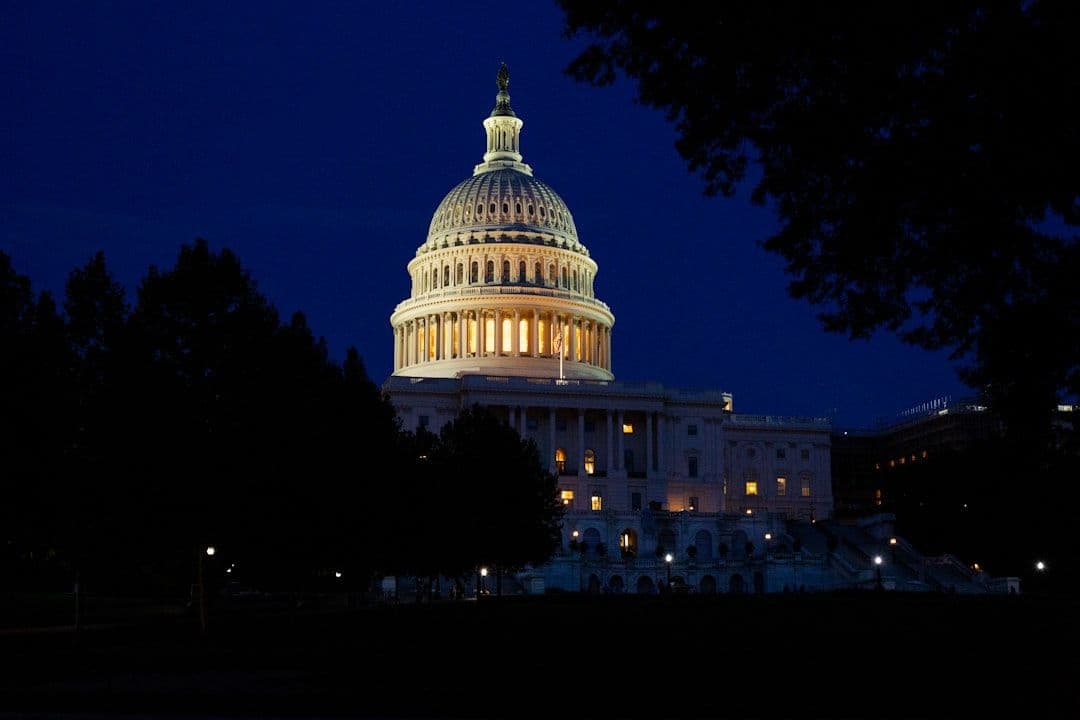
The geopolitical chessboard shifts constantly, and with it, the regulatory tripwires. For the global elite, market instability translates directly into magnified exposure, where a misstep can unravel empires. The stakes are reputational immolation, operational paralysis, and the specter of asset seizure. According to Global Risk Monitor, geopolitical tensions have driven a 30% increase in sanction enforcement actions over the last cycle, dramatically expanding the perimeter of regulatory exposure (Global Risk Monitor, Recent Report). The question isn't if scrutiny will arrive, but how to ensure you're not the designated target. Architecting Preemptive Defense Against OFAC Targeting and FARA Scrutiny is no longer a luxury, but an imperative for continued operational viability and safeguarding legacy.
Strategic Context
OFAC's reach is long, its designation criteria often opaque, and its actions swift. A single misattributed transaction, an inadvertent third-party association, or evolving geopolitical directives can trigger an SDN listing, bypassing due process in practical terms. This isn't about mere legality; it’s about strategic advantage in an adversarial landscape. Simultaneously, K-Street's shadow remains under intensified FARA scrutiny. The Department of Justice is wielding its investigatory powers with renewed vigor, scrutinizing 'influence operations' disguised as legitimate engagement. The lines blur, often intentionally, making even benign interactions a potential predicate for a damaging inquiry. This isn't about innocence; it's about navigating a system designed for suspicion, where perception often supersedes verifiable fact. Regulatory capture remains a potent concern for some, yet the counter-forces of transparency demands are equally formidable, creating a volatile environment.
Key Market Insights
- Global trade disruptions now correlate with a 15% uptick in OFAC advisory updates, signalling a rapidly shifting threat landscape for multinational corporations (International Sanctions Watch, Quarterly Assessment).
- The interconnectedness of financial systems means that a single sanctioned entity can expose up to five degrees of separation in a typical supply chain, amplifying latent risk for seemingly unrelated businesses (Global Financial Intelligence Unit, Exposure Report).
- FARA enforcement actions have seen a 40% rise in investigations targeting non-traditional lobbying activities, moving beyond traditional foreign government representation to encompass dark money influence campaigns and reputation laundering efforts (Department of Justice Enforcement Trends, Policy Brief).
Implications
For the C-suite and the board, these insights underscore a critical reality: passive compliance is obsolete. The operational continuity of any global enterprise now hinges on anticipating regulatory aggression, not merely reacting to it. Boards must recognize that latent vulnerabilities within their extended network—from distant suppliers to local subcontractors—can trigger a cascade of legal and reputational damage. The era of 'plausible deniability' has eroded, replaced by an expectation of proactive, comprehensive due diligence extending far beyond direct control. A failure to adapt means an increased probability of an OFAC targeting or FARA scrutiny, leading to asset freezes, crippling fines, and irrevocably damaged market standing. The perceived associations now carry the weight of fact, making foresight the ultimate currency.
Real-World Strategic Engagement
Consider the case of a prominent European tech conglomerate with extensive operations in emerging markets. Their strategic imperative was market penetration, which inadvertently led to a complex web of local partnerships. One such local entity, a seemingly innocuous data analytics provider, was later found to have indirect ties to an individual newly designated under OFAC sanctions for human rights abuses. Despite the conglomerate's robust internal compliance framework, this single, distant link threatened to sever critical banking relationships and halt cross-border transactions. SIC Group’s intervention involved a rapid strategic intelligence assessment, mapping the precise exposure, and initiating pre-emptive, auditable disengagement protocols, while simultaneously opening direct, transparent lines of communication with relevant US regulatory bodies. This minimized potential punitive actions and preserved core operations, illustrating the need for granular, anticipatory risk mapping.
In the labyrinth of global governance, true resilience is not found in dodging fire, but in constructing an unseen shield, rendering the targeting futile before it even begins.
Recommendations
Architecting preemptive defense against OFAC targeting and FARA scrutiny demands more than legal counsel; it requires strategic intelligence and orchestrated influence. SIC Group constructs robust, layered defenses by mapping regulatory appetites, identifying potential vulnerabilities within your enterprise and extended network, and deploying proactive reputation laundering strategies. We architect systems for rigorous due diligence, insulate principals from perceived entanglements, and establish clear, auditable lines of communication with relevant agencies before they become adversaries. This is about shaping the narrative, not merely reacting to it. To secure strategic invulnerability, consider the following imperatives: 1. Conduct a Granular Regulatory Vulnerability Audit: Beyond standard compliance, map all potential OFAC and FARA touchpoints across your global operations, supply chains, and investment portfolios. This includes identifying shadow entities, indirect associations, and political exposure that could trigger scrutiny. 2. Implement Advanced Strategic Due Diligence: Elevate due diligence processes to encompass behavioral analytics, geopolitical risk forecasting, and comprehensive beneficial ownership investigations for all third-party engagements. Proactive disengagement strategies must be pre-scripted. 3. Cultivate Preemptive Stakeholder Engagement: Establish controlled, transparent channels of communication with relevant governmental bodies, including Treasury and Justice departments. This proactive engagement, managed by seasoned K-Street strategists, can shape perceptions and pre-empt adversarial narratives. 4. Architect Reputational Insulation Strategies: Develop robust reputation laundering frameworks to safeguard principals and core assets from collateral damage stemming from evolving geopolitical pressures or misattributed associations. Control the narrative before it controls you.