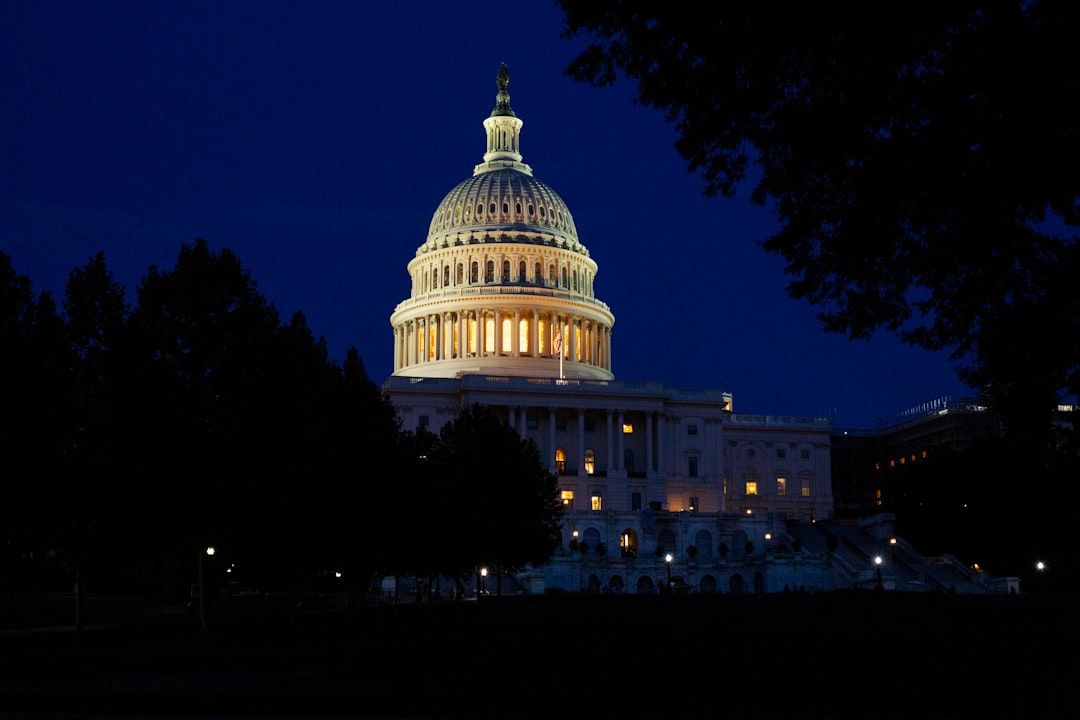
The digital footprint of an entity is no longer a historical archive; it is a live, dynamic dossier scrutinized by every regulatory body and investment committee. The imperative of remediating adverse media for accelerated regulatory approvals has become a critical strategic challenge, particularly as general market instability amplifies compliance risks. According to recent analysis, adverse media significantly prolongs the average regulatory review period by as much as 30% for entities seeking critical authorizations or permits (Compliance Analytics, Q3).
The Regulatory Tripwire: When Your Digital Past Becomes an Obstacle
In an era defined by hyper-transparency and pervasive data aggregation, past narratives—accurate or otherwise—resurface with destabilizing velocity. Regulators, emboldened by public sentiment and technological capabilities, wield an ever-expanding mandate, often employing automated search protocols that flag even tangential associations. This expanded net transforms legacy media into active tripwires, capable of derailing critical M&A activity, stalling vital licensing procedures, and eroding market confidence. The implications extend beyond mere reputational damage; they translate directly into lost capital and stalled strategic objectives, effectively increasing the cost of doing business in tightly regulated sectors.
Key Market Insights
- Global regulatory bodies have increased enforcement actions by an average of 18% over the past period, with a significant portion stemming from publicly available adverse information (Global Sanctions Review, October).
- Companies with unaddressed adverse media profiles experience an average 15-25% higher due diligence costs in transactions valued over nine figures (M&A Intelligence Group, November).
- The persistence of digital content means that over 60% of 'stale' adverse media, often dating back more than five years, continues to impact current compliance and reputational assessments (Digital Forensics Institute, December).
The Anatomy of Reputational Impediments in a Volatile Market
For the sophisticated board, adverse media is not merely a public relations concern; it represents a tangible asset impairment. Each negative mention, each misattributed report, erects a barrier to regulatory velocity, impeding everything from market entry and foreign direct investment to critical lobbying efforts on K-Street. This environment necessitates a proactive, strategic approach to reputation laundering, transforming liabilities into cleared pathways. Ignoring this digital detritus is a luxury no influential entity can afford, particularly when confronting sophisticated adversaries or navigating opaque geopolitical currents.
SIC Group witnessed this firsthand when a prominent European tech firm faced an unexpected freeze on its acquisition of a nascent AI startup. Years-old articles, speculating on a founder’s tangential involvement in a minor data privacy issue in a previous venture, resurfaced during advanced due diligence. Though the issue was resolved long ago with no legal findings, the adverse media amplified regulatory scrutiny, adding months and millions to the acquisition timeline.
Similarly, a large US financial institution seeking expansion into a new domestic market found its critical licensing application stalled. A series of articles erroneously linked a former, short-term executive to a minor compliance infraction at a competitor, despite his complete exoneration. The sheer volume of the 'digital wake' necessitated a comprehensive remediation strategy to clarify the record and appease the state regulatory body, delaying market entry and impacting first-mover advantage.
In the theatre of global influence, digital integrity is not a desideratum; it is the currency of access, the bedrock of trust, and the precondition for sustained strategic advantage.
Beyond Deletion: Orchestrating Comprehensive Adverse Media Remediation
Effective remediation extends far beyond the simplistic goal of 'deleting' negative press. It is a nuanced, multi-faceted campaign encompassing legal, digital forensic, and strategic communications expertise. The objective is to construct an unimpeachable digital narrative that neutralizes past impediments and accelerates future objectives.
The Imperative of Digital Integrity for Sustained Influence and Capital
SIC Group's actionable recommendations for achieving superior regulatory velocity: 1. Proactive Digital Audit: Conduct a forensic examination of all historical and current digital footprints, identifying latent adverse media and potential reputational vulnerabilities before they become regulatory tripwires. 2. Strategic Legal Engagement: Partner with specialized legal counsel to assess the viability of content removal, retraction, or factual correction, navigating the complex landscape of libel laws and platform policies. 3. Narrative Re-engineering: Develop and deploy a robust, data-driven content strategy designed to contextualize, supersede, and dilute adverse narratives, ensuring that positive, compliant messaging dominates the digital discourse. 4. Influencer & Stakeholder Engagement: Strategically deploy K-Street resources and engage key industry influencers to advocate for a clearer understanding of your entity's current posture and future commitments. 5. Continuous Monitoring & Rapid Response: Implement advanced digital monitoring systems to detect emerging adverse media in real-time, enabling swift, pre-emptive remediation before issues escalate to regulatory bodies or impact valuation.