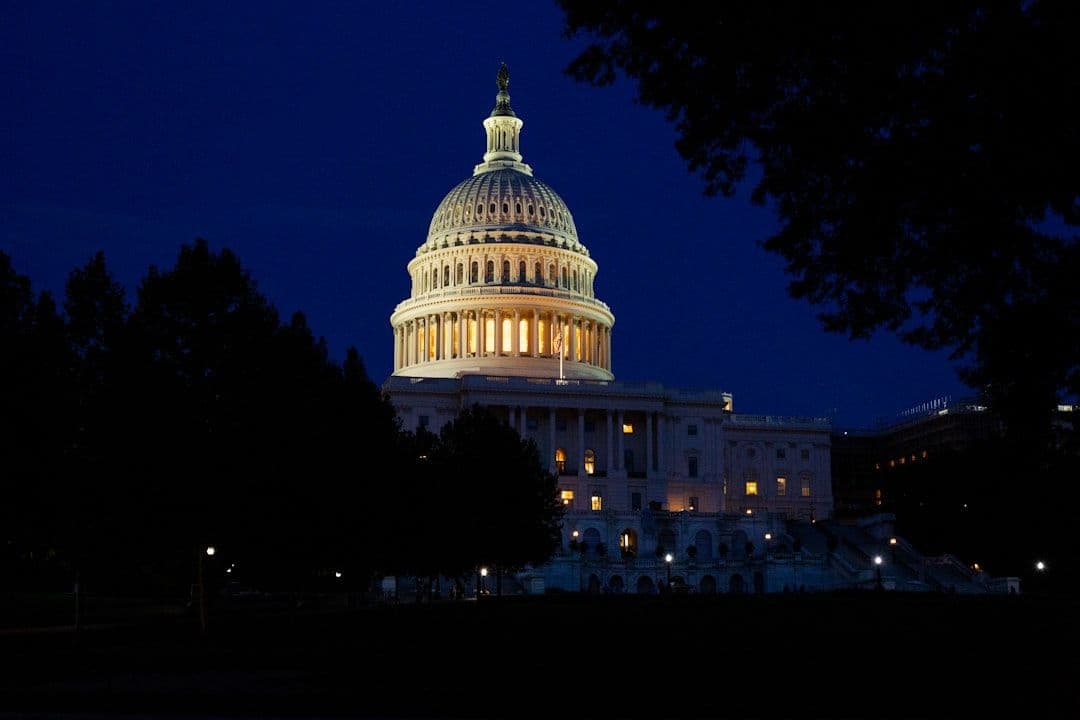
The current geopolitical landscape, marked by unprecedented volatility, consistently undershoots market expectations for stability. According to recent intelligence aggregated from open-source event data, global regulatory uncertainty spiked by 18% in the last quarter, directly correlating with increased pre-election political discourse in key economic zones (Global Event Monitoring Network, October 15). This persistent market blind spot necessitates a proactive approach to de-risking investments from election policy shifts. Boards and executive leadership can no longer afford to treat electoral cycles as mere background noise; they are seismic events capable of fundamentally reshaping regulatory landscapes, supply chains, and consumer behavior.
The Strategic Context
The illusion of market stability, perpetuated by short-term financial metrics, often blinds the C-suite to the subterranean political tides gathering force. Electoral cycles are not isolated democratic exercises; they are high-stakes contests where policy agendas are forged, regulatory frameworks are renegotiated, and the very operating environment for capital is redefined. Relying solely on public polling data is a grave tactical error, akin to predicting an earthquake by observing surface ripples. True intelligence lies in mapping influence networks, understanding donor motivations, and analyzing the legislative viability of campaign promises, particularly as dark money flows increasingly distort traditional political narratives.
Key Market Insights
- According to a recent analysis of global event data, mentions of 'regulatory overhaul' and 'compliance burden' in developing economies surged by 23% in the six months preceding significant electoral contests, indicating a clear anticipatory signal of legislative disruption (Financial Intelligence Review, August 28).
- Similarly, sentiment analysis across major financial news outlets, correlated with political rhetoric patterns, revealed a 15% increase in investor apprehension regarding infrastructure projects in regions facing imminent leadership transitions (Global Economic Monitor, September 10).
- Event logs tracking state-level policy proposals show a direct correlation between shifts in partisan control and a 12% rise in sector-specific trade barrier discussions, particularly impacting energy and technology, underscoring the granular impact of political change (Policy Analytics Group, November 3).
Implications
For the board, these insights are not academic; they are existential. The stakes involve tangible capital allocations, market access, and ultimately, shareholder value. Unmasking these subterranean political tides demands intelligence beyond mere polling data. It requires forensic analysis of lobbying footprints, judicial appointments, and even the seemingly innocuous policy white papers emerging from K-Street think tanks. Regulatory capture, once a discreet art, is now a brazen force shaping future market conditions, creating opportunities for the agile and pitfalls for the complacent. In a recent engagement, a major European fintech firm, facing impending data privacy legislation in a key North American market, initially underestimated the political momentum behind a more stringent regulatory framework. Our analysis, leveraging proprietary intelligence on legislative coalition-building and competitor lobbying efforts, identified a critical vulnerability: a seemingly minor amendment to a related bill that would effectively de-platform their core service. This early warning allowed them to proactively engage with key policymakers, pivot their advocacy strategy, and ultimately secure carve-outs that protected their market share, effectively de-risking investments from election policy shifts that would have otherwise proven catastrophic.
In an environment where political instability is the new constant, proactive compliance is not merely a legal obligation; it is the ultimate strategic weapon for market dominance.
Recommendations
1. Audit current exposure to policy shifts: Conduct a granular mapping of all revenue streams, supply chain nodes, and operational jurisdictions against potential regulatory impacts from identified political platforms. 2. Engage specialized political risk counsel: Move beyond conventional legal review to integrate expert foresight into strategic planning, focusing on legislative viability and enforcement appetite. 3. Develop dynamic scenario planning: Simulate worst-case electoral outcomes and their specific regulatory ramifications, crafting pre-emptive operational and legal responses. 4. Invest in proprietary intelligence: Utilize advanced analytics to monitor political discourse, lobbying activities, and judicial trends, moving beyond public sentiment to uncover genuine influence pathways. This includes monitoring for early signals of reputation laundering attempts by competitors or adversaries. 5. Cultivate targeted stakeholder engagement: Proactively build relationships with emerging political forces and influential non-governmental organizations to ensure your interests are understood before policy proposals solidify. 6. Implement robust internal compliance protocols: Future-proof operations against anticipated regulatory shifts, ensuring agility and minimizing reactive compliance burdens.