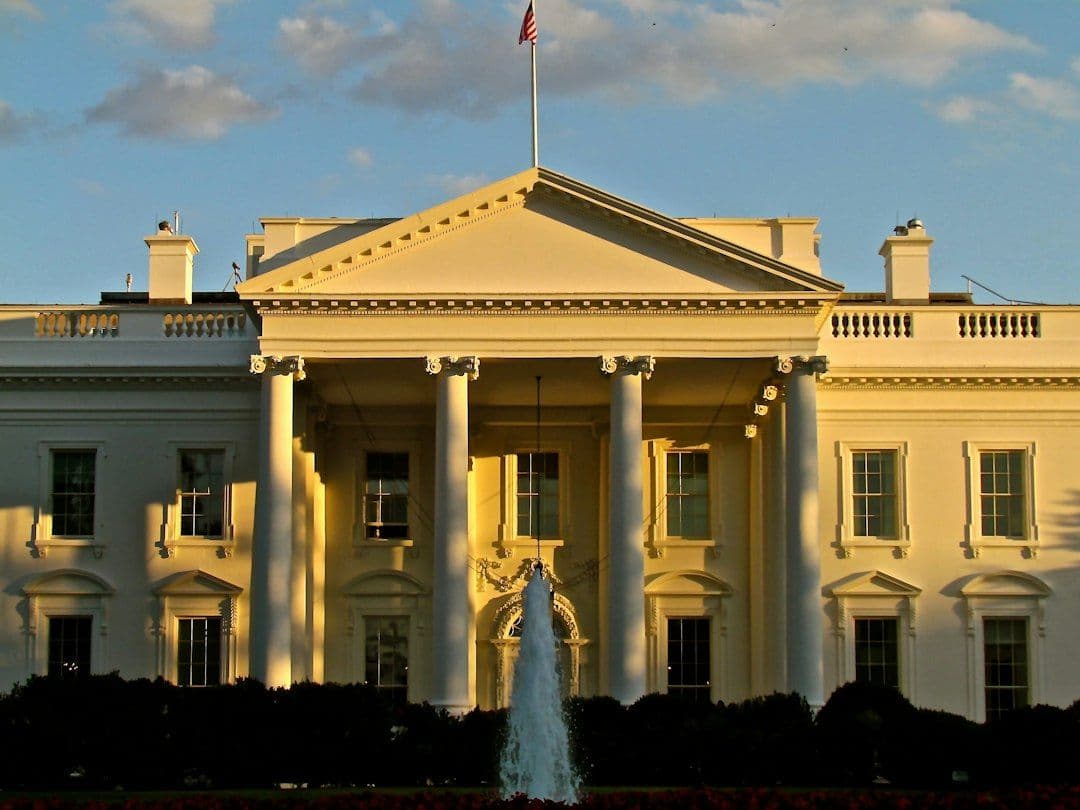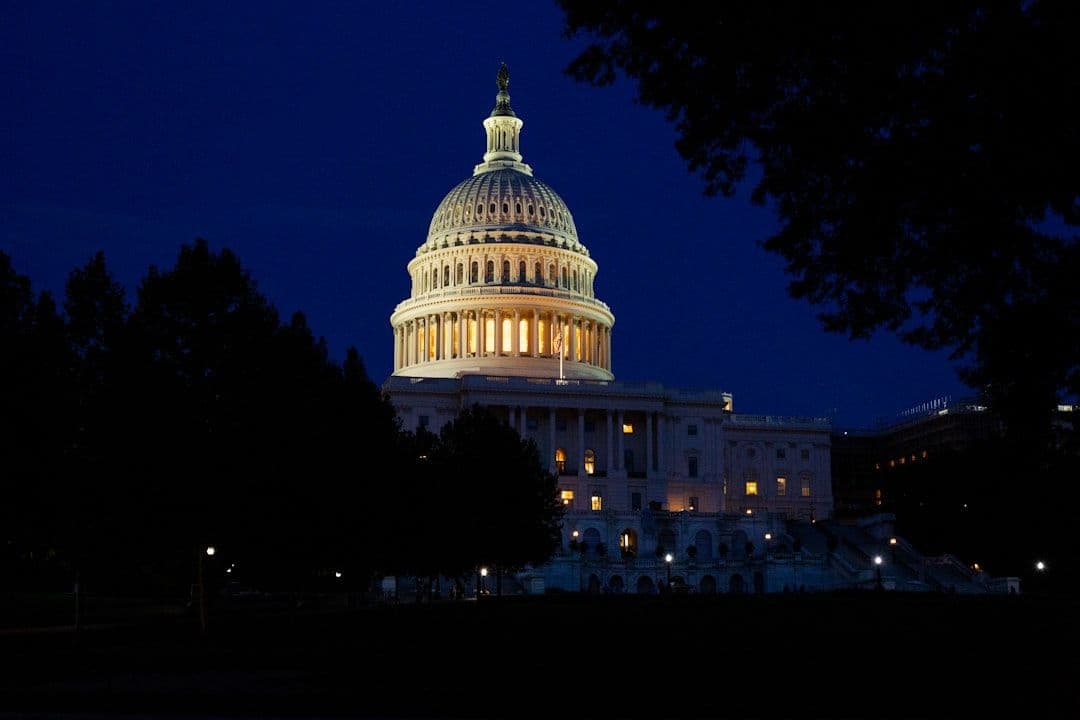
The spectacle is a diversion. While cameras track congressional hearings and cable news deciphers presidential tweets, the real currents of influence in Washington flow elsewhere. Beneath the public performance, a more complex, opaque machinery operates, dictating outcomes long before they hit the morning briefs. This is not conspiracy; it is simply how power functions in its most refined, most effective form.
What the public consumes as policy debate is often merely the theatrical curtain call for decisions made in quiet rooms, by individuals whose names rarely grace the evening news. The illusion of transparency is Washington's most potent, and often most expensive, export.
The Echo Chambers of Consensus
Forget the formal lobbying disclosure databases. The real game is played in the pre-emptive shaping of the intellectual environment. Think tanks, strategic advisory boards, and exclusive dinner circuits form echo chambers where nascent ideas are refined, tested, and granted a veneer of inevitability. By the time a concept reaches Capitol Hill, it's often already a consensus among the truly influential.
Capitalizing on Access, Not Agendas
Influence isn't about yelling loudest; it's about whispering at the right moment, to the right ear. It's understanding the personal and professional pressures of key decision-makers, anticipating legislative calendars, and knowing whose spouse sits on which board. Agendas are fluid; trusted access is currency. Those who consistently deliver value — often information, sometimes strategic leverage — earn their seat at the table.
The Long Game of Institutional Memory
Elections shift administrations; they rarely uproot the fundamental architecture of the capital. Career bureaucrats, former agency heads, and K Street veterans represent the true institutional memory. They hold the historical context, the procedural keys, and the enduring relationships that transcend partisan divides. These are the individuals who understand where the real levers are, and more importantly, how to pull them without leaving fingerprints.
Navigating Washington's true power centers isn't about reacting to headlines. It's about proactive engagement with the quiet consensus builders, understanding the networks that precede legislation, and identifying the persistent institutional forces that truly dictate the city's gravitational pull.
For those operating at the highest echelons, understanding these unseen architects is not merely an academic exercise; it is a strategic imperative. The public narrative is for consumption; the private reality is for action. To decode Washington is to recognize that the most significant moves are often the most understated, executed by those who prefer the shadows to the spotlight. Ignoring this distinction is a luxury few can afford.