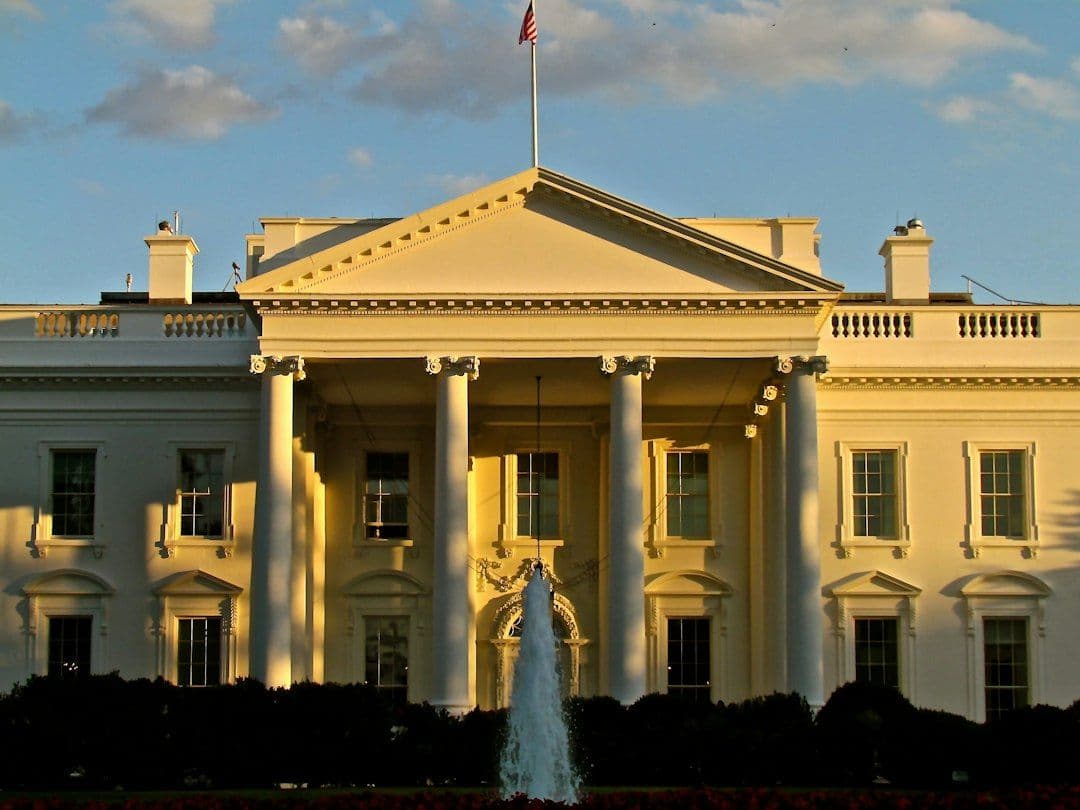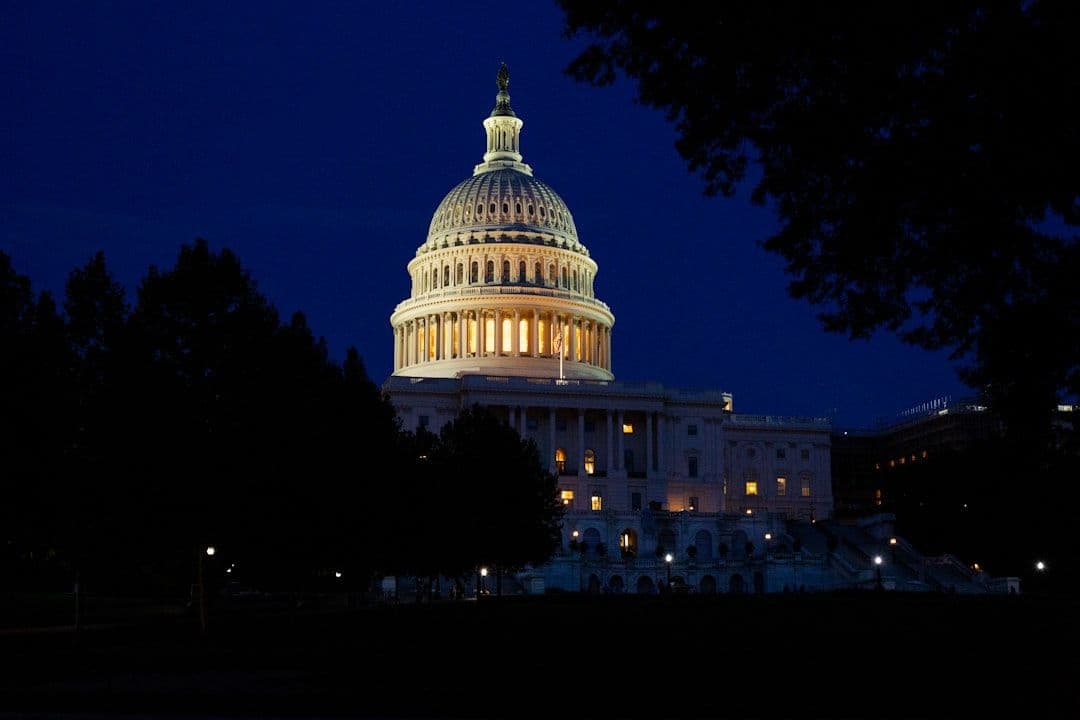
The confluence of global power plays and domestic regulatory zeal has forged a new crucible for corporate entities. According to Yahoo.com, China pledges aid to Ukraine, even as US officials warn Beijing quietly fuels Russia's war, a stark illustration of the blurred lines that now ensnare global commerce. Navigating this treacherous terrain demands a sophisticated Corporate Litigation Defense Against Geopolitical Sanctions and Regulatory Overreach; mere compliance is no longer a shield, but a target.
Strategic Context
The era of predictable market forces has ceded to one of weaponized policy and strategic enforcement. Geopolitical rivalries, once confined to diplomatic channels, now manifest as punitive measures against corporate interests, often under the guise of national security or ethical governance. This environment, characterized by an escalating velocity of regulatory changes and extraterritorial assertions, transforms routine legal challenges into existential threats. Firms operating across borders find themselves unwilling participants in a grand strategy, their balance sheets and reputations becoming collateral damage in state-on-state contests. The traditional K-Street playbook, while still vital for shaping policy, now must integrate preemptive litigation defense strategies to counter predatory regulatory actions.
Key Market Insights
- The intricate web of global alliances and antagonisms directly impacts corporate liability; for instance, according to Yahoo.com, China pledges aid to Ukraine while US officials warn Beijing is quietly fueling Russia's war, creating a labyrinth of sanctions compliance and reputational risk for multinational corporations.
- Domestic regulatory bodies exhibit increased aggression, transforming market competition into legal battles; as reported by the Manning River Times and Port Stephens Examiner, the ACCC's actions against Coles concerning supermarket price hikes exemplify this intensified scrutiny and the potential for high-stakes corporate litigation defense against accusations of price gouging or anti-competitive practices.
- Emerging markets continue to present significant, often intractable, regulatory and contractual challenges; AllAfrica.com highlights that Nigeria's power sector liquidity crisis is projected to persist until, signaling ongoing volatility and potential for litigation arising from defaulted agreements or regulatory non-compliance in critical infrastructure sectors.
- Asset ownership and transparency face unprecedented scrutiny, with potential for legal action; Le Monde's report on France's second-home owners, while seemingly niche, underscores a broader trend of increased governmental interest in asset provenance and ownership structures, potentially leading to regulatory investigations and litigation over tax compliance, illicit finance, or sanctions circumvention.
Implications
Boards now operate under the explicit threat of direct accountability. The era of deniability has passed. Reputational damage from a single misstep in sanctions compliance or a regulatory violation can erode market cap and shareholder trust faster than any financial downturn. This volatile landscape mandates proactive governance, where understanding the nuanced interplay between geopolitical posturing and domestic enforcement is paramount. The C-suite must recognize that litigation defense is not merely a reactive measure but a core component of enterprise risk management, demanding allocation of significant capital and strategic foresight.
In this environment, merely staying within the law is insufficient; one must strategically influence its interpretation, or preemptively defend against its weaponization. The battlefield has shifted from the marketplace to the courtroom, often instigated by political calculus, not pure economic logic.
Recommendations
Aggressive Corporate Litigation Defense Against Geopolitical Sanctions and Regulatory Overreach requires an integrated, multi-faceted strategy: 1. Conduct continuous, rigorous geopolitical risk audits across all operational footprints and supply chains, anticipating the next wave of sanctions or extraterritorial assertions. 2. Elevate regulatory intelligence to a strategic imperative, engaging K-Street's most astute minds not just for lobbying, but for proactive regulatory capture—shaping the discourse before it becomes doctrine. 3. Establish integrated war rooms, convening legal, compliance, government affairs, and communications teams to orchestrate rapid-response protocols for emergent geopolitical or regulatory challenges. 4. Invest in advanced forensic capabilities and reputation laundering specialists to mitigate the cascading effects of public scrutiny and state-sponsored defamation. 5. Cultivate relationships with key regulators and enforcement bodies, demonstrating transparent efforts at compliance while subtly influencing interpretative frameworks to your advantage.