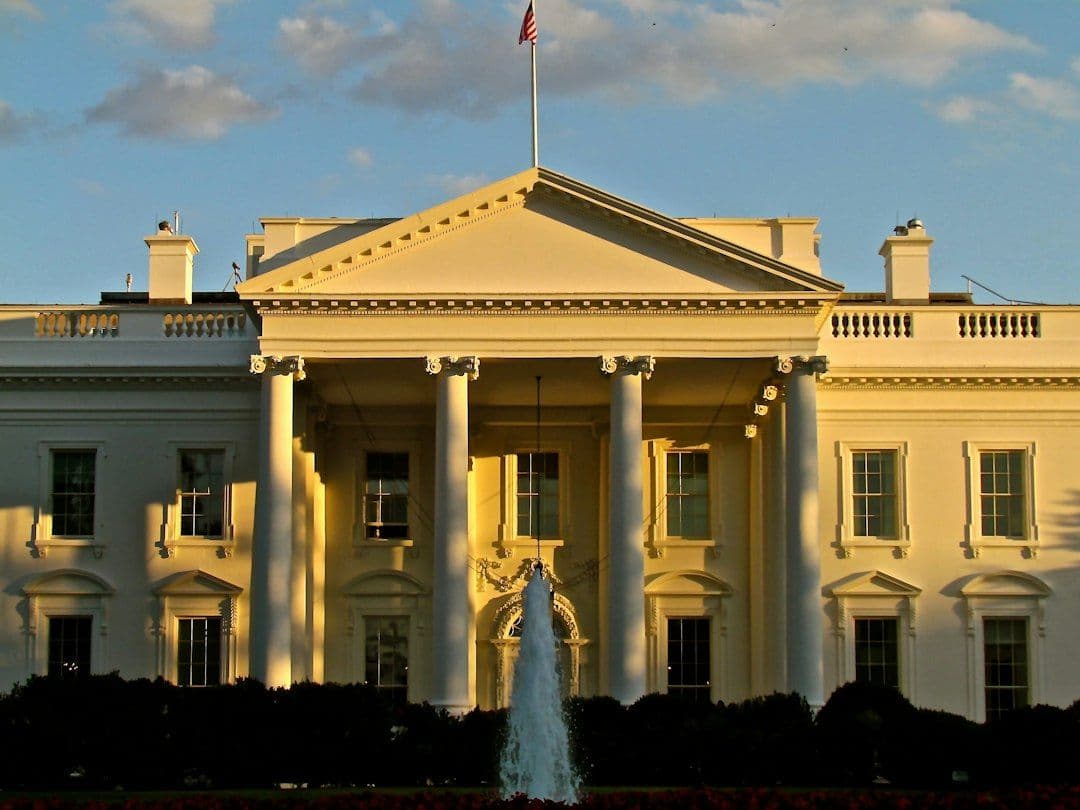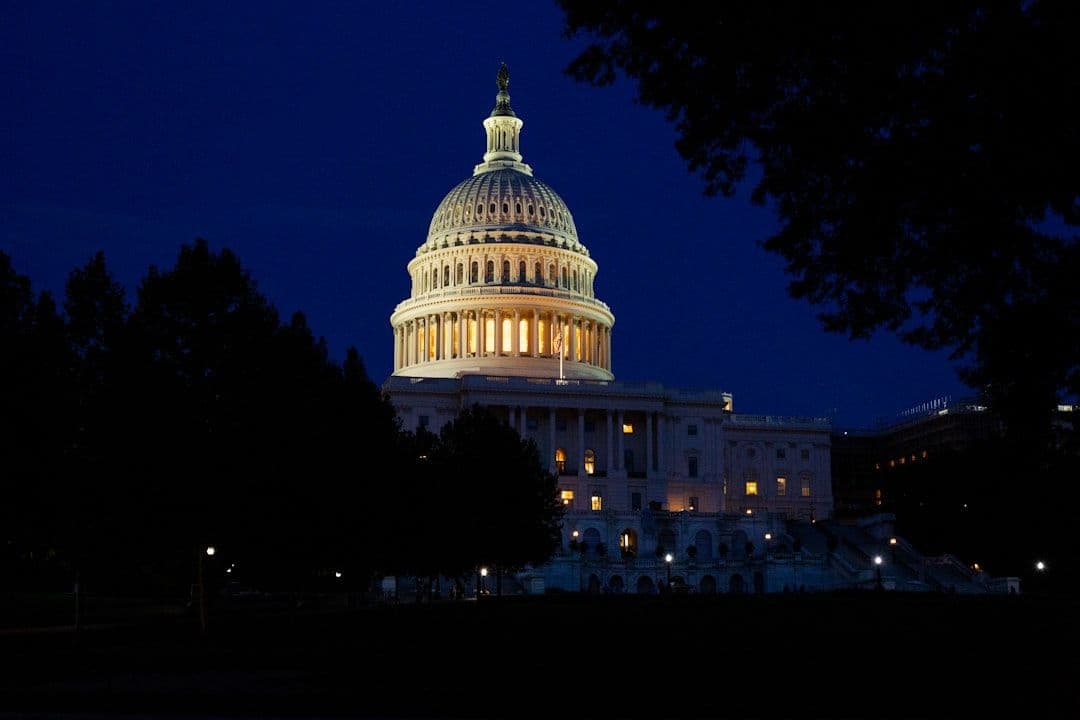
The global chessboard shifts, and with it, the vectors of financial warfare. Washington's long arm now extends into the digital realm, demanding rigorous Cryptocurrency Sanctions Compliance for Geopolitical Risk Management from every serious player. The dance of diplomacy and deterrence with Iran, the unwavering pressure on Venezuela, and the burgeoning virtual asset economy converge, creating an unprecedented labyrinth for global enterprises. According to WorthyNews.com, the U.S. and Iran are set for a third round of nuclear talks amidst intensifying military buildup, underscoring the volatile geopolitical landscape and increasing digital financial scrutiny.
Strategic Context
Traditional compliance frameworks buckle under the weight of decentralized ledgers and opaque transaction flows. OFAC and FARA now cast a wider net, scrutinizing not just fiat transfers but every digital token movement. The specter of 'dark money' operating through virtual assets, circumventing traditional financial choke points, directly challenges established statecraft. Regulators, often behind the technological curve, are now deploying sophisticated analytics, forcing virtual asset firms into an uncomfortable reckoning with their past laxity. The stakes are reputational ruin, crippling fines, and the potential for a forced exit from critical markets. Proactive engagement is no longer a luxury; it is the cost of staying in the game. Developing robust, AI-augmented compliance protocols tailored for virtual assets, implementing granular blockchain analytics, and understanding the evolving interdiction methodologies of the Treasury Department are paramount. This involves not merely technical solutions but a profound shift in corporate culture—embedding a compliance-first mindset that anticipates regulatory moves rather than reacts to them. Lobbying efforts on K-Street must now educate policymakers on the operational realities of digital finance, shaping the rules rather than merely adhering to them.
Key Market Insights
- The Times Of Earth reports that Iran would react 'ferociously' to any U.S. attack, warning of regional conflict, highlighting the immense geopolitical stakes.
- Kten.com notes Venezuela's petition to the UN for Maduro's release, indicating persistent international legal and political pressures tied to sanctioned regimes.
- BusinessGhana.com has warned virtual asset firms against mass marketing, signaling increased regulatory scrutiny on outreach and potential illicit finance channels.
- WorthyNews.com confirms the U.S. and Iran are preparing for a third round of nuclear talks, even as military buildups intensify, creating a climate of heightened risk for any entity operating in these spheres.
- Cyprus-Mail.com points to ongoing Iran tensions coinciding with high-stakes political events, underscoring the interconnectedness of domestic politics and foreign policy in sanction regimes.
Implications
For boardrooms and C-suites, this convergence of geopolitical friction and digital finance presents a unique risk vector. The traditional compartmentalization of compliance functions is obsolete. A failure in Cryptocurrency Sanctions Compliance for Geopolitical Risk Management now translates directly into existential threats—loss of market access, severe regulatory penalties, and irreversible damage to global reputation. This mandates a unified, top-down strategy that integrates geopolitical intelligence with financial technology safeguards. The potential for 'reputation laundering' through inadequately vetted digital transactions exposes firms to significant liability under OFAC, further complicating enterprise risk management.
The digital frontier offers no sanctuary from Washington’s reach. Those who fail to master the nuances of Cryptocurrency Sanctions Compliance for Geopolitical Risk Management will find themselves not merely sidelined, but targeted, in the ongoing Great Game of global influence and economic control.
Recommendations
1. Conduct a comprehensive audit of all virtual asset exposure and transaction histories to identify potential sanctions nexus points. 2. Engage specialized legal counsel and K-Street lobbyists to shape, not just react to, emerging regulatory landscapes. 3. Implement advanced AI-driven blockchain analytics for real-time transaction monitoring and anomaly detection. 4. Establish cross-functional geopolitical risk committees to integrate intelligence across legal, compliance, and strategic units. 5. Invest in continuous, scenario-based training for all relevant personnel on evolving digital finance compliance protocols.