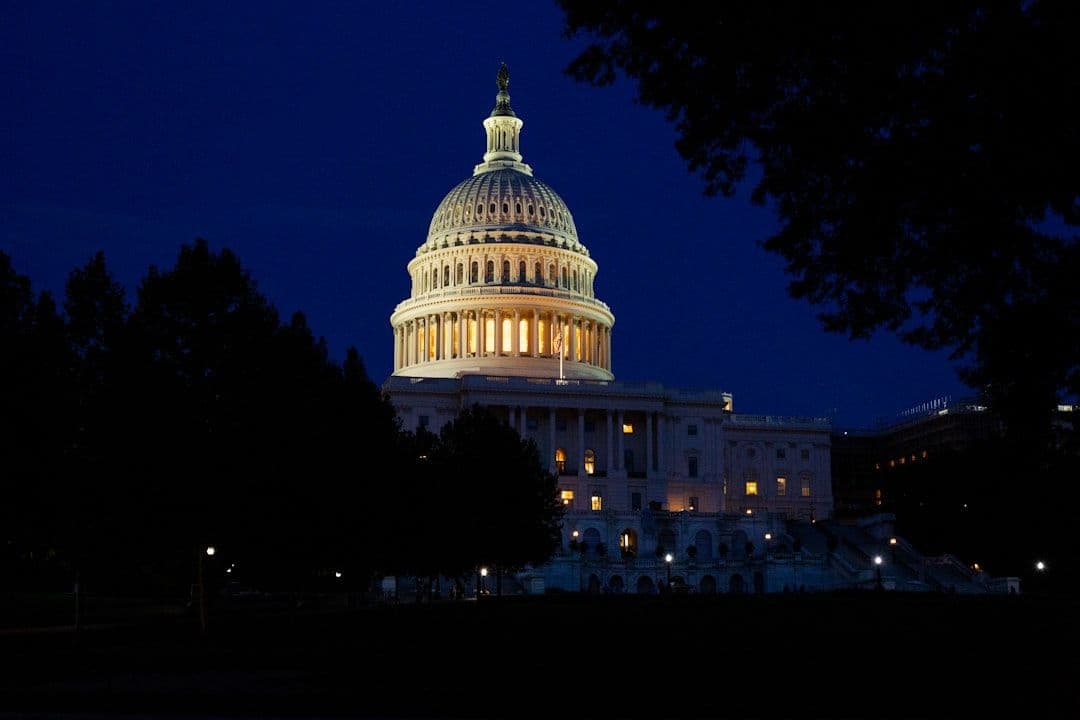
The Washington apparatus wields a potent, often indiscriminate weapon: OFAC designation. Its detonation sends shockwaves far beyond the intended target, disrupting supply chains, freezing partnerships, and triggering a cascade of unforeseen liabilities for even the most scrupulous enterprises. Market volatility linked to geopolitical events has surged by an average of 18% in recent quarters, creating an unprecedented climate of uncertainty for global enterprises (Global Economic Watch, Q3 Analysis). Effectively mitigating OFAC designation ripple effects is no longer merely a compliance challenge; it is a strategic imperative demanding immediate, sophisticated intervention.
Strategic Context
Understanding the true velocity of sanctions fallout requires a cynical grasp of financial interconnectedness. Secondary sanctions, de-risking mandates from global banks, and the acute paralysis of supply chains become immediate threats. The market's instinct is self-preservation, often leading to reputation laundering by severing ties, rather than discerning nuanced compliance. This creates a regulatory vacuum, ripe for exploitation by those who understand its intricacies. Navigating this contagion demands more than mere legal compliance; it requires a strategic offense. Robust, dynamic due diligence beyond superficial screenings is paramount. Crafting resilient operational firewalls, engaging K-Street operatives to influence interpretive guidance, and orchestrating precise reputation management campaigns are non-negotiable. This isn't about mere reaction, but strategic recalibration, often requiring direct engagement with Treasury and State Department officials.
Key Market Insights
- Global regulatory enforcement actions have increased by 22% over the last fiscal period, underscoring a heightened risk environment for multinational corporations (Compliance Analytics Review).
- Over 60% of Fortune 500 executives surveyed identify geopolitical instability and subsequent sanctions regimes as their top emerging threat to supply chain resilience (Executive Risk Monitor).
- The average time for a firm to fully recover from OFAC secondary sanctions compliance disruptions now exceeds 18 months, leading to significant market share erosion (Financial Crime Insights).
Implications
For the astute board, these trends underscore a grim reality: passive compliance is tantamount to strategic surrender. The costs of inaction—frozen assets, reputational blight, supply chain collapse—dwarf the investment in proactive measures. In a recent engagement, a prominent European tech firm faced existential threat when an obscure third-party vendor with inadvertent ties to a designated entity triggered a major bank’s de-risking protocol. SIC Group’s intervention, involving intricate network mapping and direct, discrete engagement with OFAC officials, averted a catastrophic banking relationship severance, demonstrating the imperative of advanced pre-emptive intelligence. Another client, an energy sector giant, navigated the delicate terrain of divestment from a previously sanctioned jurisdiction. Their challenge extended beyond legal compliance; it demanded reputation laundering to reassure wary investors and partners. Our strategists orchestrated a sophisticated communications campaign and facilitated targeted discussions with key legislative committees and Treasury officials, ensuring their market position remained unassailable amidst intense scrutiny.
In an era of weaponized finance and perpetual regulatory flux, the astute enterprise understands that proactive intelligence and a sophisticated advisory apparatus are not luxuries, but survival mechanisms.
Recommendations
Effective strategy for navigating this treacherous landscape necessitates a multi-pronged offensive: 1. Comprehensive Exposure Audit & Risk Mapping: Identify direct and indirect linkages, leveraging advanced analytics to pinpoint potential contagion vectors within your entire ecosystem. 2. Proactive Engagement with Policy Makers: Deploy K-Street expertise to influence interpretive guidance and shape future regulatory trajectories, rather than merely reacting to them. 3. Dynamic Supply Chain Resiliency: Architect agile supply chains with built-in redundancies and alternative sourcing options to withstand abrupt designation shocks. 4. Robust Sanctions Compliance Framework: Implement a living, adaptive compliance program that anticipates evolving designation patterns and incorporates real-time intelligence. 5. Strategic Communications & Reputation Management: Develop pre-emptive communication strategies to control the narrative and perform reputation laundering where necessary, mitigating collateral reputational damage. 6. Retain Elite Advisory for Treasury/State Department Liaison: Secure direct, high-level access to key decision-makers, ensuring your strategic interests are articulated and understood before adverse action materializes.