When the Treasury Department's Office of Foreign Assets Control (OFAC) drops the hammer, the reverberations are immediate, catastrophic, and existential. Accounts freeze, transactions cease, and market access vaporizes overnight. For entities ensnared by these punitive measures, a meticulously crafted OFAC delisting strategy isn't merely a legal maneuver; it's a desperate fight for corporate survival, demanding a level of strategic agility few possess. This isn't about mere compliance; it's about navigating a weaponized financial ecosystem designed to isolate and cripple.
Analysis: Beyond Legalities – Understanding the Geopolitical Engine of Sanction Regimes
Sanctions are rarely an isolated legal act; they are instruments of statecraft, weaponized diplomacy, and often, domestic political signaling. Their genesis is steeped in geopolitical calculus, influenced by everything from intelligence assessments to congressional pressures, and occasionally, the whispers of K-Street. Understanding the true engine behind a designation—whether it’s counter-terrorism, human rights, or pure strategic competition—is paramount. Without this insight, any delisting effort is merely flailing in the dark, treating symptoms while ignoring the systemic disease.
The K-Street Calculus: Navigating Washington's Influence Networks
Washington D.C. operates on a distinct currency: influence. While legal challenges run their course, the levers of power are simultaneously being pulled in legislative chambers and executive agencies. The Foreign Agents Registration Act (FARA) casts a long shadow, but sophisticated lobbying campaigns, often funded by significant dark money flows, shape narratives and shift bureaucratic will. Success demands more than simply filing motions; it requires penetrating the informal networks where decisions are truly forged, subtly aligning interests, and understanding the nuances of the National Defense Authorization Act (NDAA) as it relates to sanctions authority.
- Identifying the true congressional champions and adversaries of your delisting cause.
- Leveraging think tanks and academic institutions to generate independent analyses that challenge existing narratives.
- Understanding the internal bureaucratic politics within Treasury, State, and the National Security Council that govern OFAC designations.
Solution: SIC Group's Multi-Front Campaign for Strategic Delisting
At SIC Group, our approach to an OFAC delisting strategy is surgically precise and ruthlessly comprehensive. We don't merely provide legal counsel; we orchestrate a multi-front campaign designed to dismantle the very foundations of the designation. This involves simultaneous legal challenges, aggressive K-Street lobbying, strategic communications, and, critically, reputation laundering to re-legitimize the sanctioned entity in the eyes of critical stakeholders. It’s a full-spectrum offensive, leaving no stone unturned in the pursuit of strategic delisting.
Orchestrating the Offensive: Legal, Lobbying, and Public Affairs Synergy
- Legal Recourse: Exhausting every avenue for administrative reconsideration and, if necessary, federal court litigation against OFAC's decision.
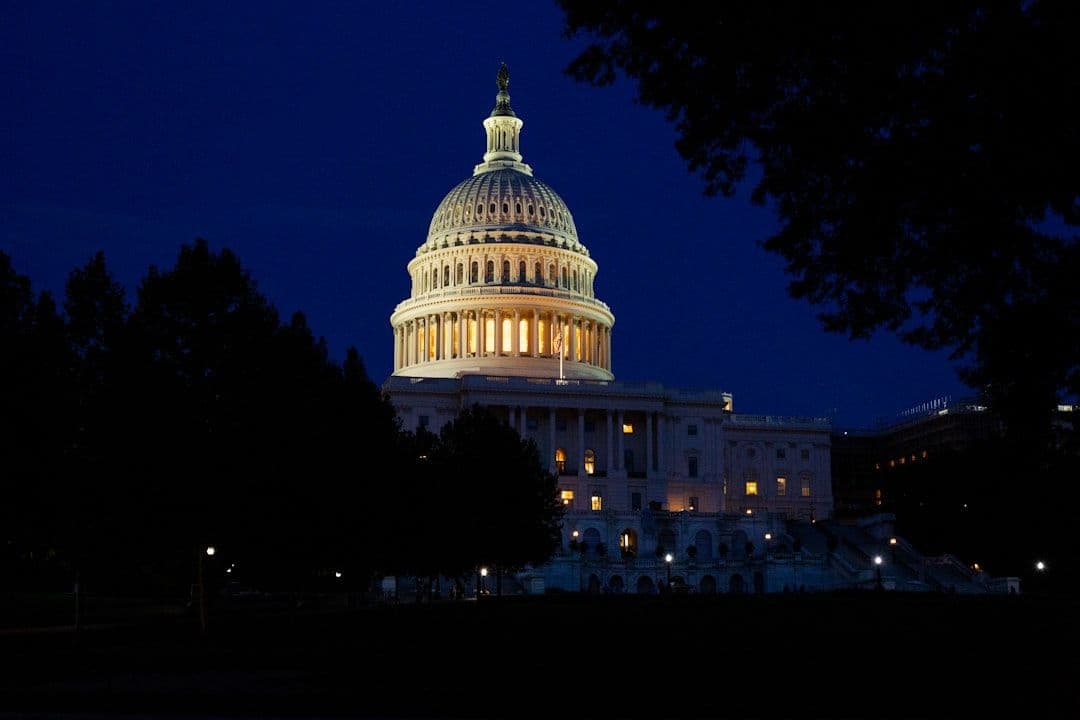
- Congressional Engagement: Building bipartisan coalitions and leveraging key committee relationships to advocate for legislative remedies or oversight pressure.
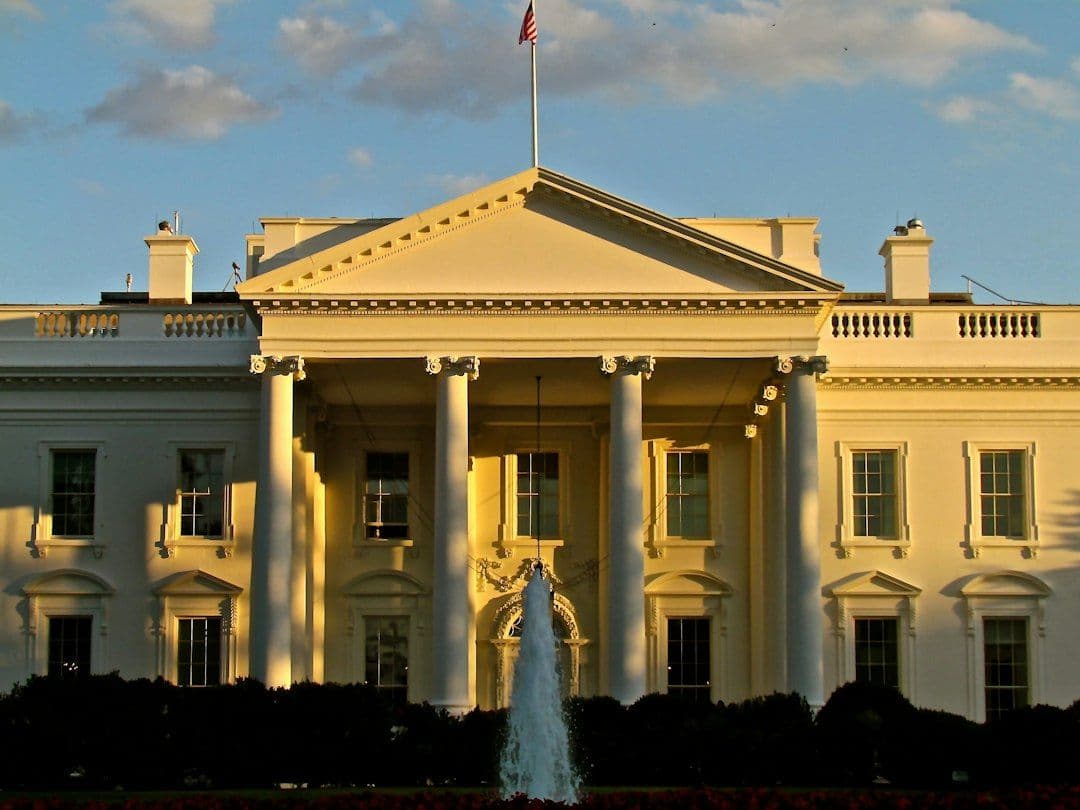
- Executive Branch Diplomacy: Direct engagement with senior officials at Treasury, State, and the White House to present compelling arguments for delisting, often facilitated through back-channels.
- Strategic Communications: Crafting and disseminating narratives that counter negative perceptions and highlight compliance efforts or changed circumstances, restoring credibility.
“The official appeals process is merely the price of admission. The real game is played in the corridors of power, long before any public announcement, and often through proxies the public never sees.”
Insight: The Unwritten Rules and Long Game of Sanctions Evasion
The unwritten rules are where true leverage resides. Washington rarely admits error gracefully; delisting often requires demonstrating a fundamental shift in behavior, personnel, or strategic alignment that aligns with U.S. foreign policy objectives. This is a long game, demanding patience, profound connections, and the ability to project an image of reform that can withstand intense scrutiny. It’s not about convincing bureaucrats of your innocence; it’s about convincing them that your continued sanction serves no strategic utility, or worse, creates unforeseen liabilities for the U.S. itself.
- Identifying and subtly cultivating third-party validators who can vouch for your entity’s transformation.
- Understanding the 'off-ramps'—the specific, often unstated, conditions under which a delisting becomes politically palatable.
- Monitoring geopolitical shifts for opportunities to position your entity as a strategic asset, rather than a liability.
Navigating the perilous waters of OFAC sanctions requires more than legal prowess; it demands a strategist with a deep understanding of Washington's intricate power dynamics, a cynic's eye for political opportunism, and the elite connections to execute an unparalleled OFAC delisting strategy. For those who understand the true cost of inaction, SIC Group offers the only real solution: a path back from the brink, orchestrated by those who write the rules, or at least, know how to subtly rewrite them.