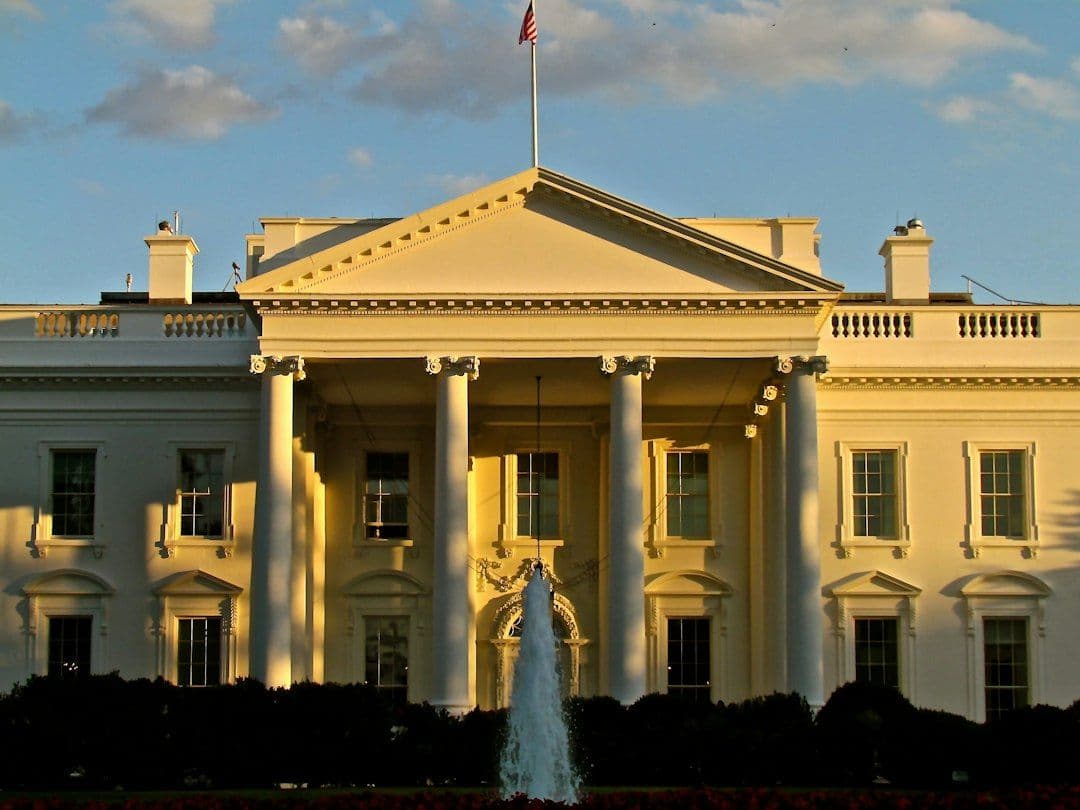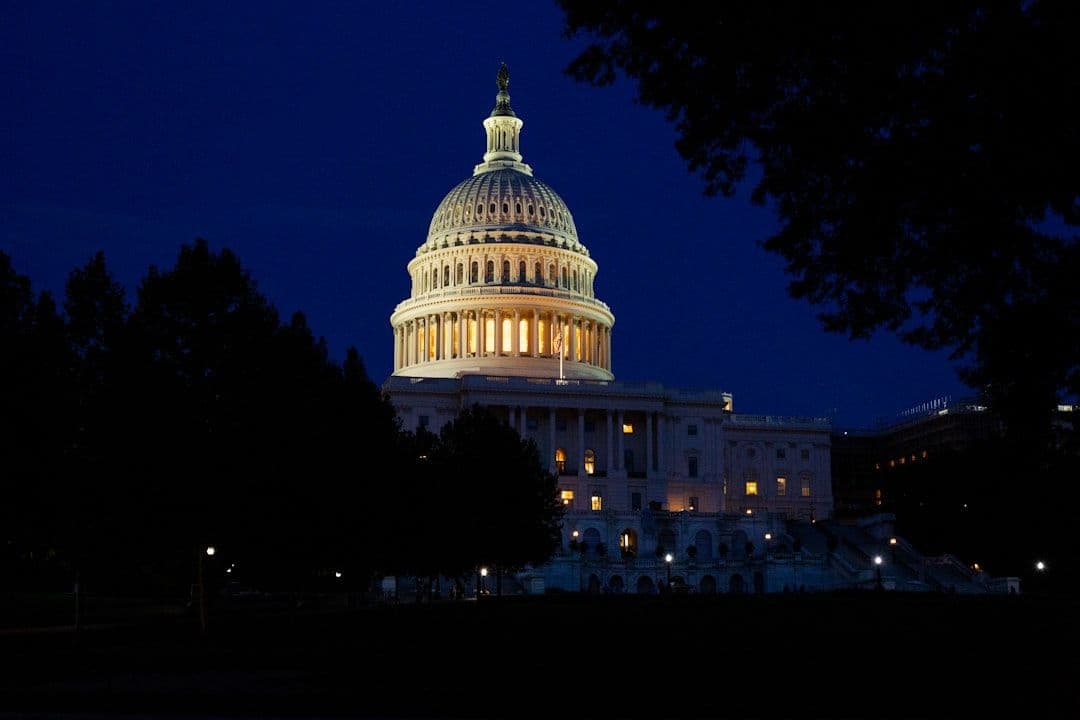
The official narrative around Washington's sanctions regime is a veneer. Beneath it lies a shadow economy, a high-stakes game where geopolitical leverage meets stark economic realities. For those not privy, it's a minefield. For those who understand, it's a market.
Washington's sanctions are less about compliance and more about strategic endurance. The real challenge isn't avoiding penalties; it's understanding the invisible hand that pulls the economic levers long before a designation hits.
The New Calculus of Coercion
Sanctions have evolved. No longer blunt instruments, they are precision-guided missiles, capable of extra-territorial reach and secondary effect. Their intent is not always direct punishment, but pervasive deterrence, reshaping entire global supply chains and financial arteries.
Yet, this sophistication breeds counter-adaptation. Illicit networks flourish. De-dollarization efforts accelerate. The system, in its relentless pursuit of leverage, creates its own adversaries and alternative ecosystems, often beyond traditional oversight.
Beyond the Blacklist: The Chilling Effect
The true power of sanctions lies in the chilling effect. Companies often divest or cease operations in certain regions long before any direct designation. The perceived risk alone is enough to trigger a retreat, costing billions in lost market access and asset value.
Transparency in targeting remains elusive. Political motivations frequently outweigh purely economic assessments. Navigating this requires more than legal interpretation; it demands an acute understanding of the broader geopolitical chess game being played out of public view.
Capitalizing on Chaos: Strategic Offsets
For sophisticated players, every disruption presents an opportunity. Asset restructuring, the development of alternative payment systems, and the strategic re-routing of supply chains become not just necessary evils but avenues for competitive advantage. The market adapts, and new arbitrage emerges.
This necessitates foresight. Predicting designations, understanding policy pivots before they hit official channels. This is where proprietary intelligence, aligned with geopolitical acumen, pays substantial dividends. It's about being ahead of the curve, not merely responding to it.
Navigating Washington's sanctions landscape isn't about avoiding the tripwire; it's about mapping the entire minefield. The true advantage comes from anticipating the next geopolitical tremor, not just reacting to its aftershocks.
The sanctions tightrope is walked not just by nations, but by every entity with global exposure. Success demands more than legal counsel; it requires a strategic foresight akin to political intelligence. The unseen hand of Washington's policy isn't a myth. It's the primary market mover, and understanding its grip is paramount for survival and prosperity in this new global order.