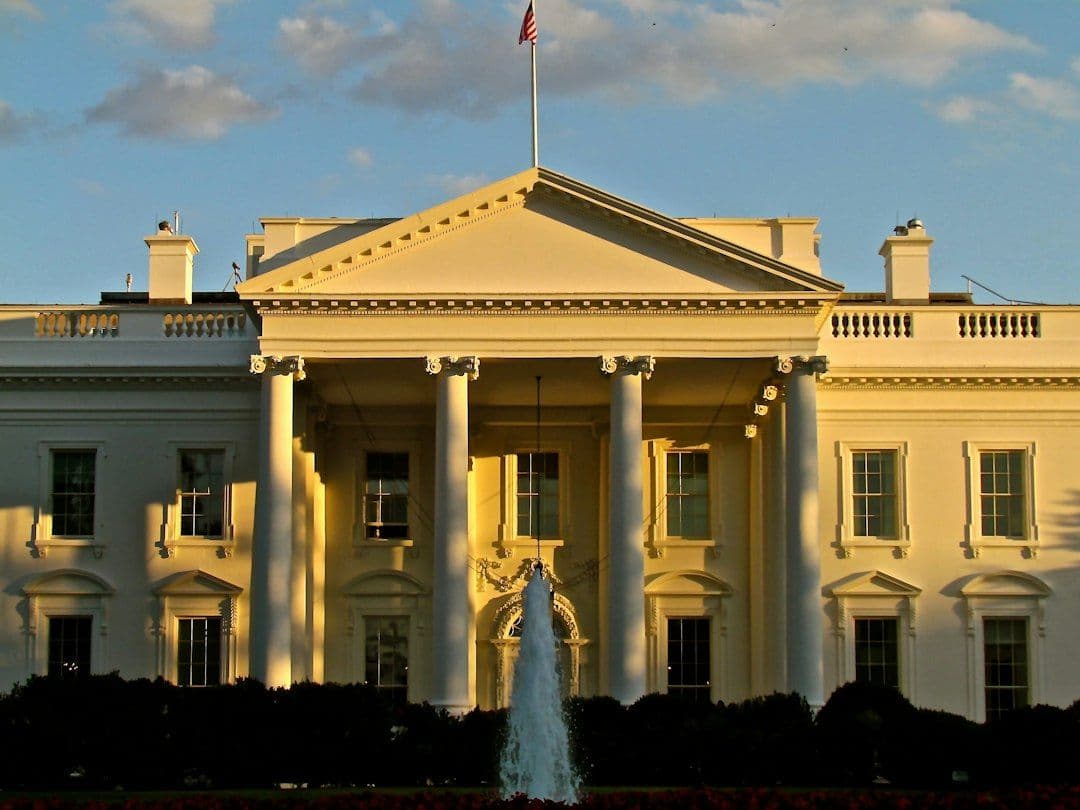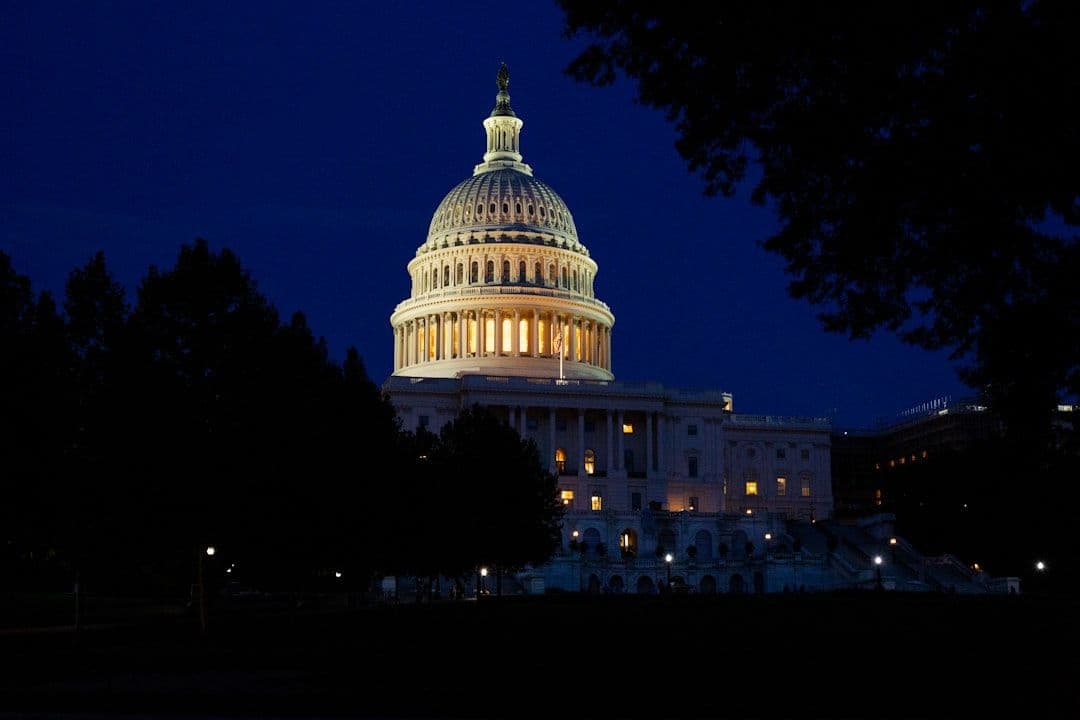
Washington’s Iran rhetoric is a masterclass in calculated ambiguity, a volatile cocktail for the uninitiated. The market's jitters over 'strikes' juxtaposed with 'good talks' aren't random; they are strategic dissonance designed to exert pressure, yet they create a treacherous landscape for genuine OFAC compliance Iran policy volatility. According to *Benzinga*, former President Trump signaled a willingness to talk while flexing military muscle, a clear demonstration of this deliberate tension.
Strategic Context
Such policy whiplash, whether from a President's off-the-cuff remarks or orchestrated leaks from Foggy Bottom, directly impacts the calculus of risk for global enterprises. The very ambiguity becomes a weapon, forcing corporations into a reactive posture where foresight is a luxury, not a given. *Regulatory capture* plays a role here, as *K-Street* navigates these shifts, but the direct implications for firms operating near the sanction perimeter are immediate and severe. This environment demands not just adherence to the letter of the law, but an acute understanding of its unwritten, evolving intent, often influenced by opaque political maneuvering.
Key Market Insights
- Geopolitical Dissonance: While former President Trump publicly stated that U.S. talks with Iran were “very good” and anticipated more negotiations, as reported by *The Mountain Press* (https://www.themountainpress.com/news/national/trump-says-us-talks-with-iran-very-good-more-negotiations-expected/article_cce08b55-094f-55f7-bffd-2311fb3045ac.html) and *Ashley County Ledger* (https://www.ashleycountyledger.com/news/national/trump-says-us-talks-with-iran-very-good-more-negotiations-expected/article_796a8b2e-97fa-5d10-97fa-4cb4570ab0.html), the market simultaneously registered heightened fears of U.S. military action against Iran, driving a mild upswing in oil prices, according to *Ship & Bunker* (https://shipandbunker.com/news/world/718590-oil-ends-week-on-mild-upswing-as-pundits-resume-fears-about-us-striking-iran).
- Calculated Leverage: This dynamic is not accidental. The administration’s posture of signaling both openness to dialogue and military readiness—a stance exemplified by Trump’s remarks on being “in no rush” to negotiate while flexing military muscle, as reported by *Benzinga* (https://www.benzinga.com/news/politics/26/02/50466913/trump-signals-willingness-to-talk-with-iran-but-not-back-down-as-us-flexes-military-muscle-to-nucle)—is a deliberate strategy to maintain maximum leverage in geopolitical negotiations. This directly fuels OFAC compliance Iran policy volatility.
- Compliance Burden Intensification: The resulting uncertainty forces firms into a perpetual state of heightened vigilance. This isn't merely about avoiding penalties; it's about navigating a deliberately shifting landscape where policy signals are designed to be interpreted through multiple lenses, increasing the operational burden for those striving for robust compliance.
Implications
For the board, this isn't just a compliance issue; it’s a strategic risk to market access, supply chain integrity, and reputational capital. Firms engaged in international trade, finance, or technology transfer must confront the reality that OFAC compliance Iran policy volatility can transform overnight, rendering yesterday’s due diligence insufficient. The implicit threat of *dark money* flows and potential *reputation laundering* through proxy entities further complicates the landscape, demanding an executive-level commitment to intelligence-driven risk management. Operational continuity hinges on deciphering not just what Washington says, but what it intends.
In this labyrinth, the most dangerous illusion is that one can merely react. Proactive intelligence, not reactive legal posturing, is the only shield.
Recommendations
1. Conduct Dynamic Risk Assessments: Regularly audit current exposure to Iranian-related sanctions, extending beyond direct engagement to indirect and derivative risks within the supply chain and financial networks. Utilize AI-driven analytics to map complex ownership structures and potential *dark money* conduits. 2. Invest in Geopolitical Intelligence: Establish dedicated capabilities for real-time monitoring and analysis of U.S. policy signals, congressional sentiment, and White House directives concerning Iran. This includes tracking diplomatic channels and military posturing to discern intent beyond rhetoric. 3. Implement Adaptive Compliance Frameworks: Develop sanctions screening and compliance protocols that are flexible enough to absorb sudden policy shifts. This involves scenario planning for both de-escalation and heightened sanctions enforcement, ensuring swift operational adjustments. 4. Engage Proactive K-Street Counsel: Beyond traditional legal advice, leverage well-connected *K-Street* firms for early intelligence on pending legislative changes or shifts in enforcement priorities. This provides a crucial lead time for strategic repositioning. 5. Strengthen Internal Training: Ensure that all relevant personnel, from legal to sales and operations, are not only aware of current OFAC regulations but also understand the nuances of policy interpretation and the risks of *reputation laundering* via third parties. Continuous education on the evolving sanctions landscape is critical.