The chessboard of global commerce faces unprecedented turbulence. According to GDELT intelligence, persistent general market instability and a surge in regulatory risks are projected, creating a crucible where Strategic Sanctions Compliance & FARA Navigation will define corporate longevity. This period demands more than mere adherence; it necessitates a proactive, strategic calculus.
Strategic Context
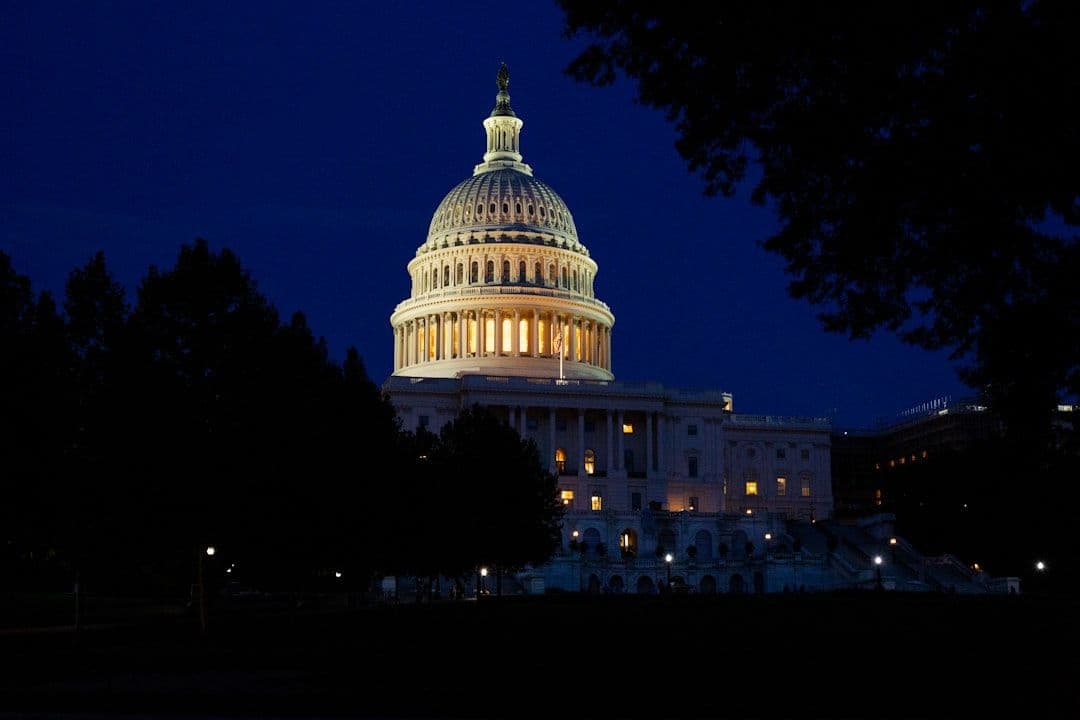
Washington's bipartisan consensus on projecting global influence through financial instruments has reached a new zenith. The confluence of an aggressive OFAC enforcement posture and intensified FARA scrutiny—driven by increasing awareness of dark money in domestic politics and foreign adversary influence operations—creates a formidable regulatory gauntlet. Corporations operating across jurisdictions must understand that the historical firewall between sanctions compliance and foreign agent registration is eroding, presenting a singular, magnified risk profile.
Key Market Insights
- Escalating Geopolitical Volatility: According to GDELT intelligence, the projection for general market instability is significant, directly impacting cross-border investment and supply chain resilience.
- Heightened Regulatory Scrutiny: GDELT data points to a discernible surge in overall regulatory risks for the period, signaling an environment of increased enforcement activity across Washington agencies.
- Convergence of Compliance Burdens: The inherent market instability exacerbates the complexity of regulatory adherence, forcing global entities to confront integrated challenges in Strategic Sanctions Compliance & FARA Navigation previously treated in isolation.
Implications
The boardrooms of global corporations must grasp the profound implications of this dual-front regulatory assault. Non-compliance is no longer a mere financial penalty; it is a direct assault on corporate reputation and market access. The OFAC/FARA nexus creates fertile ground for reputation laundering pitfalls, where seemingly innocuous engagements can suddenly expose an entity to allegations of foreign influence or sanctions evasion. The ultimate cost is not just fines, but irreversible damage to shareholder value and K-Street efficacy.
In Washington's current climate, ignorance is not merely a defense; it is a liability that invites ruin. Proactive compliance is the only viable strategy for preserving influence and protecting enterprise value.
Recommendations
Navigating this complex terrain demands a multi-pronged, sophisticated approach: 1. Conduct comprehensive, independent audits of all current international engagements and lobbying activities to identify potential FARA registration triggers and sanctions exposure points. This extends beyond direct financial flows to include influence campaigns and strategic partnerships. 2. Engage specialized K-Street intelligence firms and white-shoe legal counsel to monitor legislative and enforcement trends, ensuring real-time insights into regulatory shifts and policy pivots. 3. Develop robust, integrated compliance frameworks that explicitly address the OFAC/FARA nexus, moving beyond siloed departmental approaches. This includes enhanced due diligence on third-party intermediaries and ultimate beneficial ownership. 4. Implement proactive reputation laundering defense strategies, anticipating potential public and governmental scrutiny of foreign interactions and ensuring transparent, defensible communication protocols. 5. Transform compliance from a cost center into a strategic asset. By demonstrating exemplary adherence and leveraging K-Street relationships, corporations can proactively shape regulatory discourse, mitigate future market instabilities, and secure a durable competitive advantage.