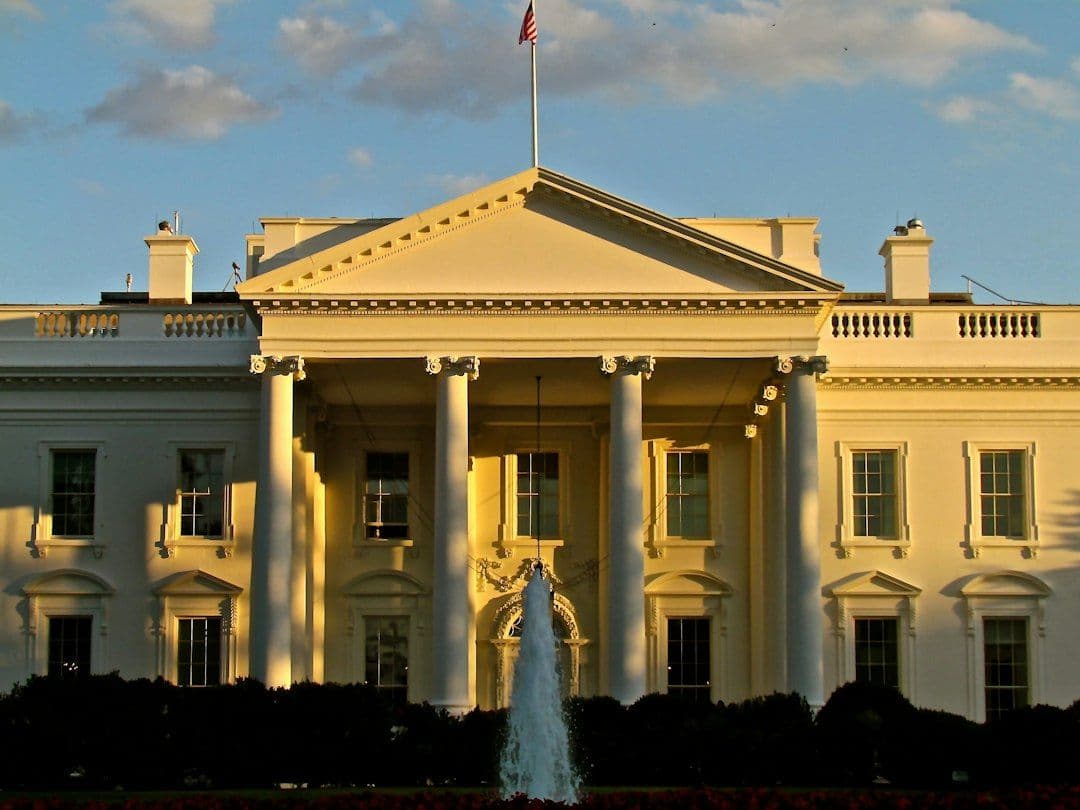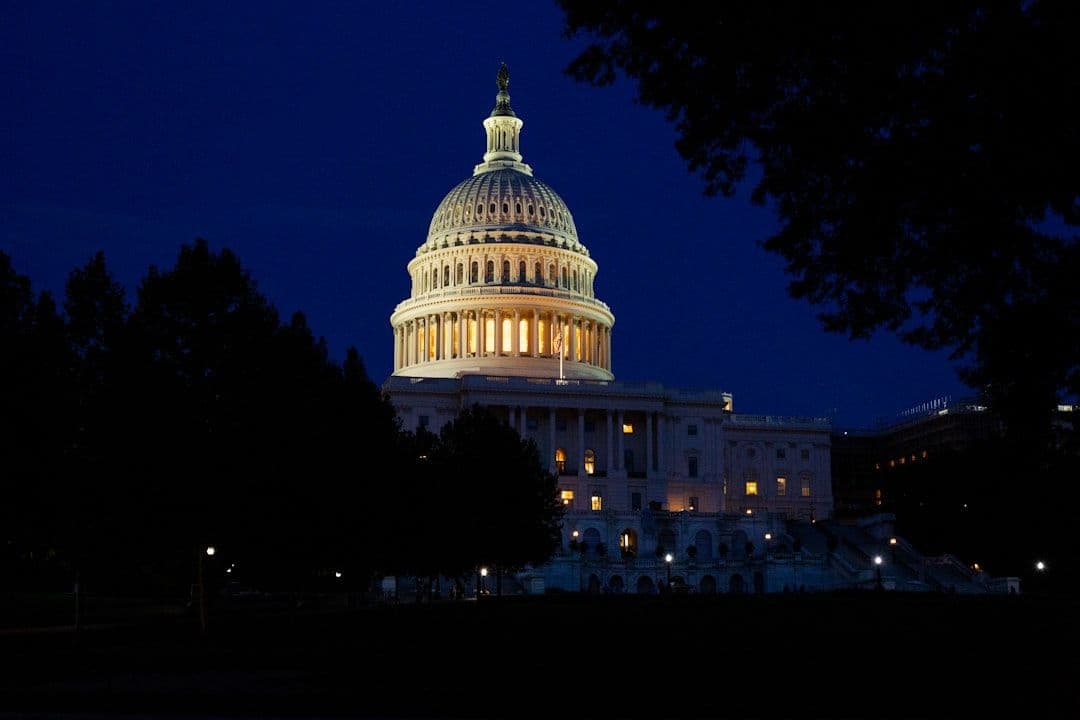
The stench of impropriety, from Bengal's 'Chor Chor' chants (According to organiser.org) to Scottish embezzlement allegations (According to decaturdaily.com), isn't merely news; it's a political accelerant. For the elite, navigating this landscape demands a level of foresight and tactical precision that transcends traditional electioneering. Mitigating political finance scandals during election cycles is no longer a reactive measure but a core strategic imperative for sustained influence and reputation, especially in an era where every transaction can be weaponized.
Strategic Context
Modern campaigns operate on a knife-edge. Financial irregularities, however peripheral, become weaponized narratives, eroding public trust and inviting regulatory scrutiny. This isn't about verifiable guilt; it's about perception, and perception, when fueled by dark money opposition research and a hyper-accelerated news cycle, is election kryptonite. The prevailing climate elevates trivial accounting discrepancies into existential threats, forcing organizations and individuals alike to reassess their exposure. Regulatory capture, while a constant, is increasingly challenged by the sheer volume of public information and the velocity of its dissemination across digital vectors. External optics often trump internal compliance robustness in the court of public opinion, demanding a more sophisticated approach to political finance scandal election mitigation.
Key Market Insights
- The global appetite for financial impropriety narratives remains voracious, evidenced by 'Chor Chor' slogans erupting in Bengal amidst arrests of TMC leaders in an extortion crackdown (According to organiser.org). Such public outcry signals heightened scrutiny and diminished tolerance for perceived corruption.
- Even established political figures are not immune; the estranged husband of a former Scottish leader recently admitted to embezzling $540,000 in party funds (According to decaturdaily.com). This highlights the pervasive risk of financial misconduct, even within close political circles.
- Beyond direct financial malfeasance, political vulnerability extends to associations. Reports of women and children linked to the Islamic State landing in Australia, with others expected (According to theguardian.com), illustrate how perceived affiliations, however distant, can become reputational liabilities.
- Geopolitical instability significantly influences the landscape of public attention and scrutiny. Recent Israeli airstrikes in Lebanon's Bekaa Valley and the south, resulting in civilian casualties (According to english.wafa.ps), while not directly financial, underscore how external crises can shift political narratives and amplify pre-existing vulnerabilities.
Implications for the Boardroom
The implications for corporate boards, high-net-worth individuals, and entrenched lobbying interests are profound. Proactive political finance scandal election mitigation is no longer a mere legal obligation but a strategic imperative to safeguard assets, reputation, and market influence. The current environment demands a comprehensive understanding of exposure, extending beyond direct financial holdings to associated entities, past dealings, and even geopolitical instability that could be weaponized by adversaries.
Strategic political intelligence offers the only true prophylactic against the contagion of capital.
Real-World Strategic Advantage
In a recent engagement involving a prominent North American energy conglomerate with significant international operations, an impending election cycle in a key jurisdiction revealed latent vulnerabilities. A historical, yet entirely legal, campaign contribution by a subsidiary's former executive was identified by opposition researchers and earmarked for public dissemination. The objective was to trigger a pre-election regulatory review, thereby delaying critical permit approvals. Our intervention, spearheaded by K-Street's quiet operators, involved preemptive stakeholder briefings and a meticulously crafted counter-narrative, reframing the contribution as transparent civic engagement rather than undue influence. This proactive reputation laundering defused the threat before it gained traction, preserving the conglomerate’s market position and avoiding substantial operational delays, demonstrating the necessity of effective political finance scandal election mitigation.
Actionable Solutions & Recommendations
To effectively navigate this perilous landscape and achieve robust political finance scandal election mitigation, an elite playbook demands rigorous adherence to strategic principles:
- 1.Comprehensive Vulnerability Audits: Conduct forensic reviews of all past and present political financial engagements, donor networks, and related personal histories. Identify potential 'tripwires' before opposition research can weaponize them.
- 2.Robust Internal Compliance Frameworks: Go beyond minimum legal requirements. Implement ethical finance protocols, enforce strict disclosure, and ensure full transparency with relevant regulatory bodies, even when not strictly mandated.
- 3.Proactive Narrative Control & Reputation Laundering: Develop pre-approved messaging for potential crises. Engage expert communicators to shape public perception through targeted outreach, leveraging digital vectors to counter misinformation.
- 4.Enhanced Due Diligence on Affiliates: Extend vetting processes to political allies, contractors, and even extended family, recognizing that peripheral connections can become conduits for scandal.
- 5.Strategic Intelligence Gathering: Invest in granular data analytics and intelligence gathering on political adversaries' methodologies for uncovering and exploiting financial discrepancies.
- 6.Engage Specialized Counsel: Retain K-Street’s seasoned professionals who understand the intricate dance between legal defense, political strategy, and public relations.