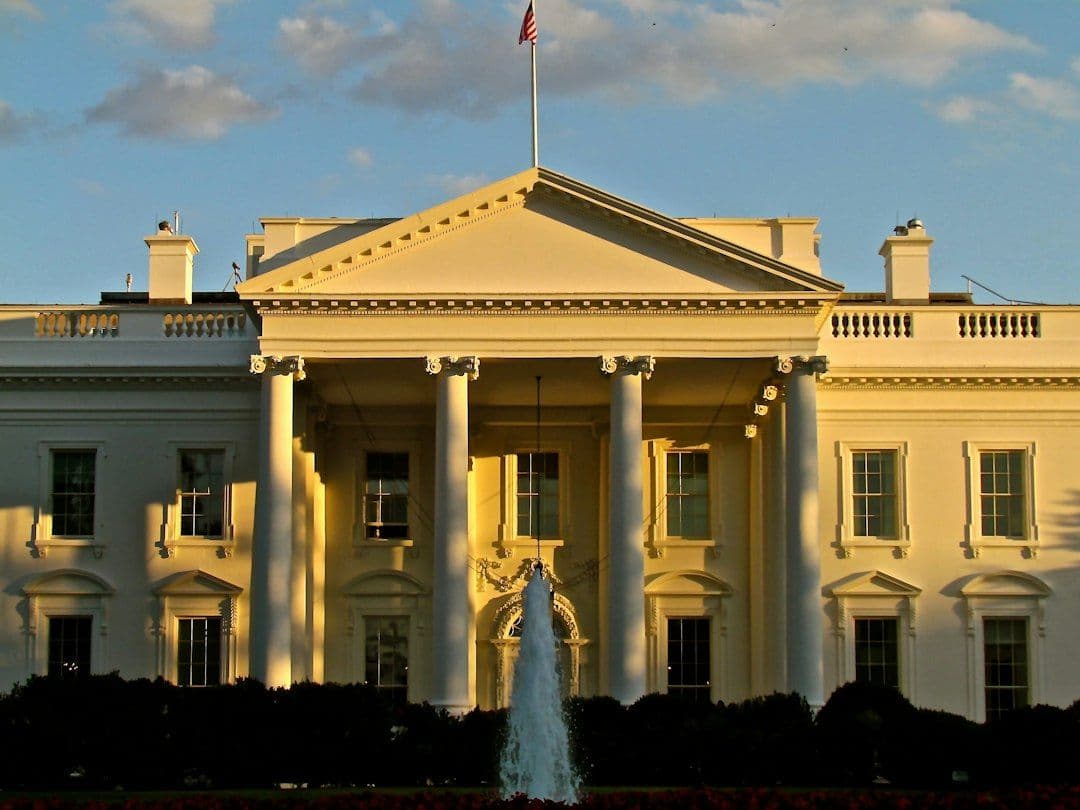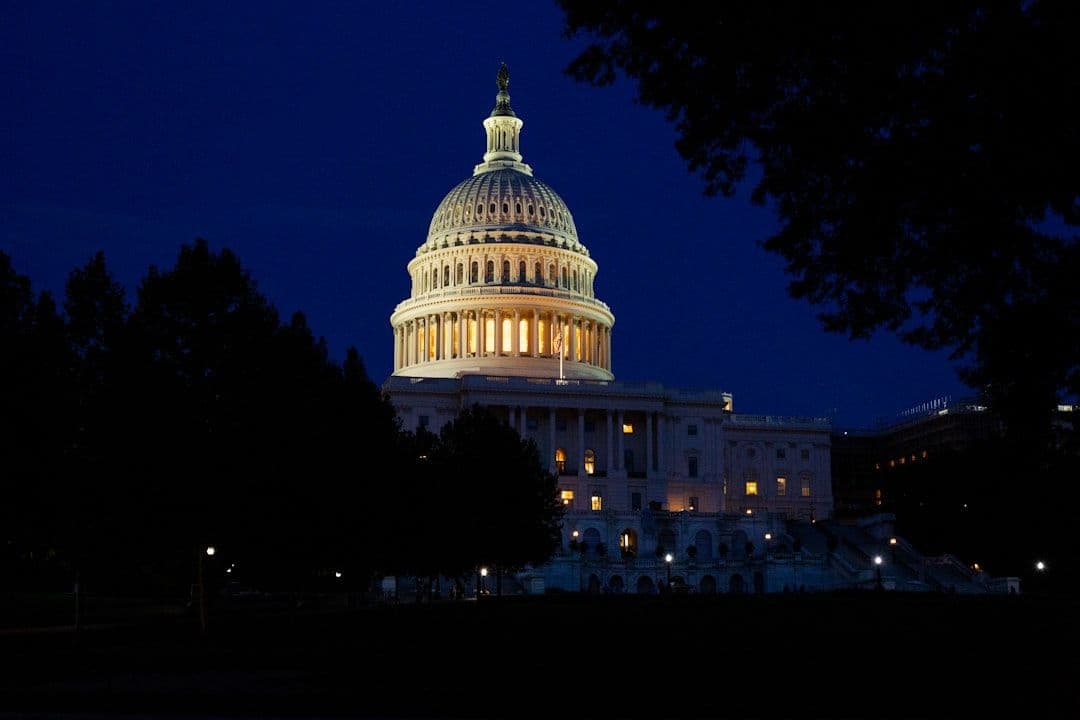
The geopolitical landscape is increasingly defined by the swift, often unilateral, actions of executive power. The repercussions of such actions, whether rhetorical or decisive, demand sophisticated responses from global entities. Consider the volatile exchanges surrounding calls for retribution, such as the public threats against Iran following the funeral of Ayatollah Ali Khamenei, which saw explicit calls for violence against a former US President (wypr.org, July 11; dumbartonreporter.co.uk, July 11). These instances underscore the urgent need for Mitigating Executive Foreign Policy Threats.
The Apex Predicament: Executive Volatility and Global Exposure
The modern C-suite operates under an ever-present sword of Damocles: the unpredictable shifts in national foreign policy dictated by a single executive. This apex predicament creates an environment ripe for regulatory capture by domestic interests and exposes multinational corporations to cascading geopolitical risks. Unscripted declarations or official sanctions can overnight erase market access, disrupt supply chains, and trigger compliance nightmares. The very fabric of international commerce, reliant on predictability and established frameworks, is perpetually tested by leaders who wield immense power with increasing alacrity.
Anatomy of a Threat: From Rhetoric to Ripple Effect
- Executive rhetoric carries immediate, tangible weight, as evidenced by explicit warnings concerning assassination attempts, which directly escalated geopolitical tensions (dumbartonreporter.co.uk, July 11).
- The rapid politicization of critical events can have unforeseen strategic implications for nations and corporations alike, exemplified by inquiries raising questions about missing flight recorder data in high-profile incidents (channelafrica.co.za).
- The public outcry and demands for retaliation following specific global events can provoke robust and immediate counter-threats from executive offices, demonstrating the direct link between perceived slights and state-level declarations (wsiu.org, July 11).
- Even ostensibly domestic controversies concerning ethical conduct can reverberate internationally, influencing perceptions of governance and stability crucial for foreign investment and diplomatic standing (aninews.in).
Architecting Influence: Strategic Counterplay in K-Street's Crucible
For the astute board, this volatility necessitates a proactive strategy, transcending mere compliance to embrace sophisticated influence operations. The days of simply reacting to OFAC designations are over; the focus must shift to foresight and strategic preemption. Mitigating Executive Foreign Policy Threats requires a nuanced understanding of K-Street's undercurrents and the mechanisms of regulatory capture. In a recent engagement, a major European energy conglomerate faced imminent divestment orders from a regional power, driven by a new executive's populist foreign policy stance. Our team, leveraging deep-seated K-Street networks, orchestrated a multi-pronged lobbying campaign, subtly demonstrating the adverse impact on local employment and energy security. This reputational laundering effort, coupled with direct back-channel diplomacy, successfully re-framed the narrative, allowing the client to retain critical assets and avert a catastrophic loss of market share.
In the arena of statecraft and global enterprise, those who wait to react are often those who cease to exist. Proactive influence is the only sustainable compliance.
The Enduring Game: Power, Perception, and the Price of Inaction
The cost of inaction in this high-stakes environment is not merely financial; it includes irreparable damage to global standing, market access, and long-term strategic advantage. The board's fiduciary duty now extends to anticipating and Mitigating Executive Foreign Policy Threats with the same rigor applied to market fluctuations. To navigate this treacherous landscape, consider the following imperatives: 1. Anticipate and Model Geopolitical Risk: Develop advanced predictive analytics to model potential executive foreign policy shifts, identifying flashpoints before they erupt. 2. Cultivate Deep-Seat Influence Networks: Invest in robust K-Street engagements, fostering relationships that provide early intelligence and direct access to decision-makers, rather than merely responding to public decrees. 3. Build Multi-Jurisdictional Advocacy Coalitions: Form alliances with peer companies, industry associations, and international NGOs to present a unified front against adverse executive actions, amplifying influence through collective voice. 4. Implement Reputational Resilience Frameworks: Proactively manage and protect corporate reputation through strategic communications and targeted advocacy, especially in jurisdictions susceptible to executive caprice. 5. Conduct Regular Scenario Planning: Simulate various executive foreign policy threats and devise bespoke response protocols, ensuring agility and minimizing disruption to core operations.