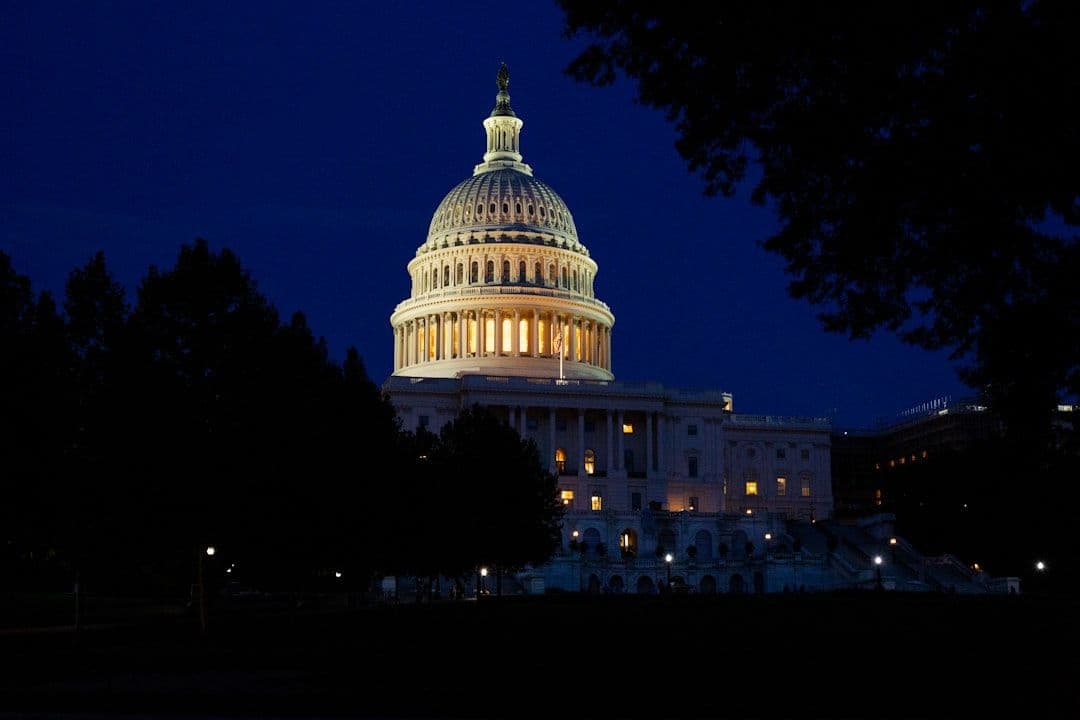
The world of international sanctions once offered a comforting binary: black or white, compliant or non-compliant. Today, for Fortune 500s and ambitious UHNWIs, that binary has dissolved into an infuriating spectrum of grey. This isn't just about risk management; it's about navigating a deliberately ambiguous geopolitical weapon.
The line between due diligence and strategic paralysis is now a political construct. You're either perceived as an enabler, or you're simply outmaneuvered. There is no neutral ground, only less exposed ground.
The Weaponization of Ambiguity
Washington's new playbook deploys sanctions not as precise surgical strikes, but as blunt instruments designed for maximum friction. The intent is often to create a chilling effect, forcing overcompliance rather than specifying clear red lines. This ambiguity serves a purpose: it extends influence without the need for military intervention, making every corporate lawyer a reluctant geopolitical actor.
The Proxy War on Your Balance Sheet
For the global enterprise, this translates into an existential dilemma. Divestment can mean abandoning billions in assets; continued operations can invite the ire of regulators and public opinion. The 'spirit' of the law often overrides the letter, leaving general counsels to interpret tea leaves rather than statutes. Every decision is a calculated risk, weighing immediate financial impact against long-term strategic positioning and the shifting sands of political favor.
Reputation as Currency, Not Shield
Your brand, once a fortress, is now a vulnerable flank. Activist groups, aggressive media, and political rivals are weaponizing perceived complicity. A carefully crafted ESG strategy can be obliterated by a single allegation of sanctions circumvention, however tenuous. It is no longer enough to be compliant; one must be seen as unequivocally aligned, a distinction often impossible to achieve in practice.
True compliance in this environment isn't about avoiding missteps; it's about mastering the art of plausible deniability, understanding political currents, and knowing when to cut your losses—or double down on a calculated gamble. The rules are unwritten, but the consequences are very real.
The era of straightforward sanctions compliance is over. We are now in a perpetual state of strategic calculation, where legal advice intersects with geopolitical intelligence. Those who succeed will not merely follow the rules; they will anticipate the unwritten ones, understanding that in this new world order, perceived innocence is a luxury few can afford.